How AI Works and How it will Transform our Lives

The 25th Norfolk Cambridge Society Public Lecture

Neil D. Lawrence

Norwich Cathedral, Norfolk Cambridge Society

AI Policy Challenges

  • Public priorities: health, education, security, social care
  • Current focus: creative content generation, commercial applications
  • Result: innovation misalignment with societal needs

The Implementation Gap

  • UK Horizon program: wrongful prosecutions of subpostmasters
  • NHS Lorenzo project: cancelled with £10+ billion bill
  • Root cause: gap between technology and human needs

Wicked Problems

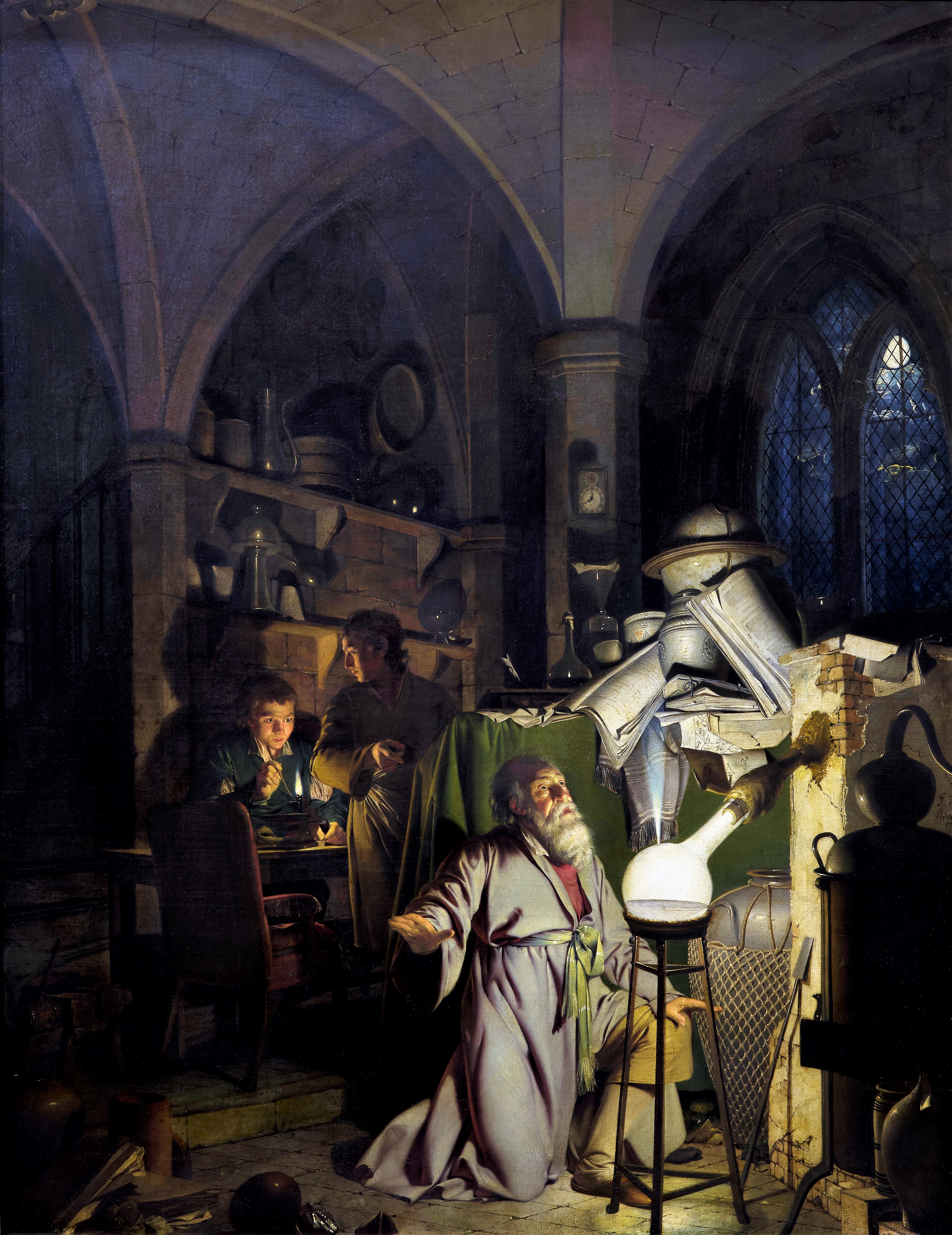
From Philosopher’s Stone to AGI

  • Philosopher’s stone: sought to transform base metals to gold
  • Modern parallel: Artificial General Intelligence (AGI)
  • Both concepts promise magical transformation

Philosopher’s Stone

The AGI Misconception

  • AGI based on flawed notion of rankable intelligence
  • Like an “artificial general vehicle” for all journeys
  • Intelligence is context-specific, not universal

Artificial General Vehicle

Information Theory and AI

  • Claude Shannon developed information theory at Bell Labs
  • Information measured in bits, separated from context
  • Makes information fungible and comparable

Information Transfer Rates

  • Humans speaking: ~2,000 bits per minute
  • Machines communicating: ~600 billion bits per minute
  • Machines share information 300 million times faster than humans

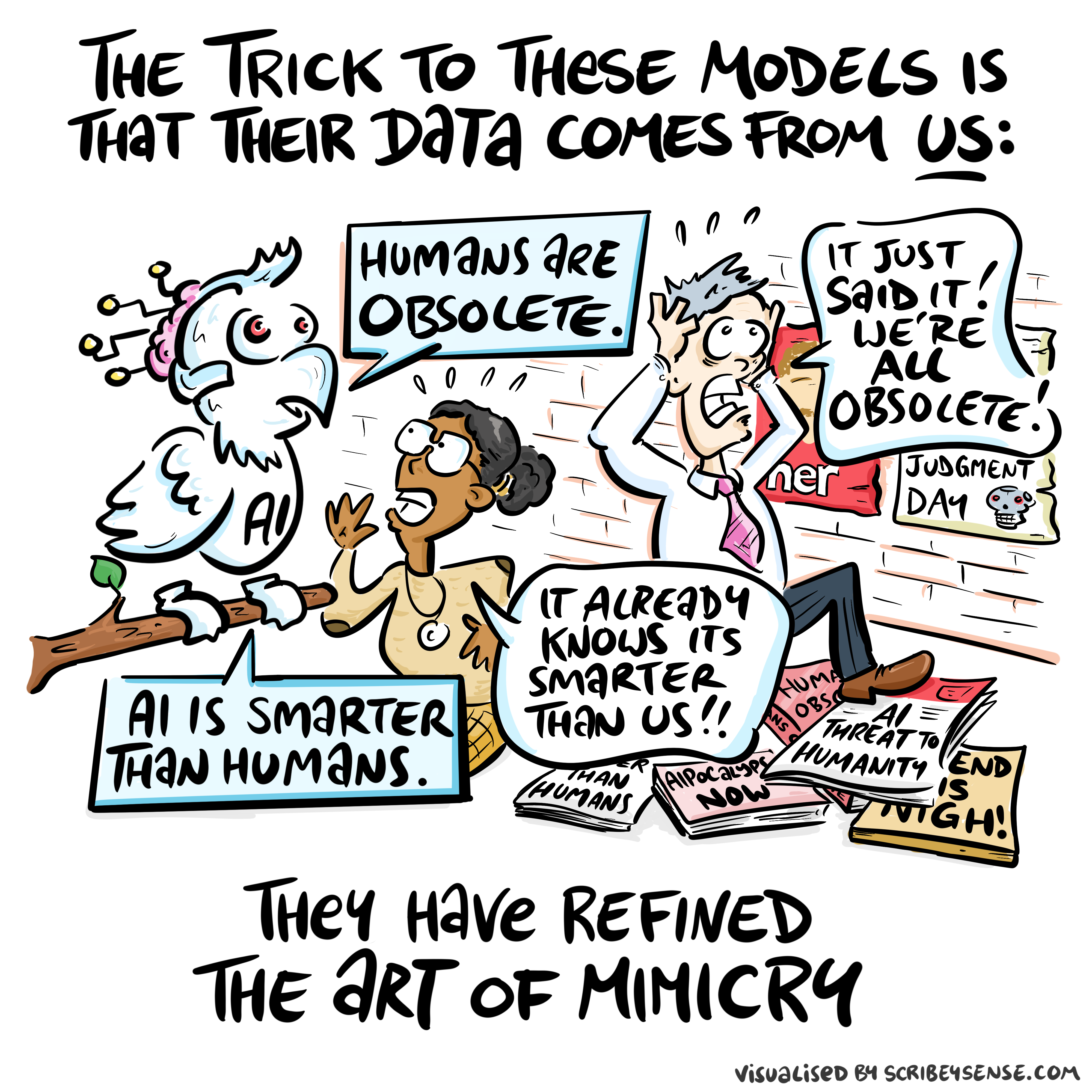
Stochastic Parrots

Bandwidth vs Complexity

bits/min \(100 \times 10^{-9}\) \(2,000\) \(600 \times 10^9\)

New Flow of Information

New Flow of Information

Evolved Relationship

Evolved Relationship

Revolution

The Risk of Digital Autocracy

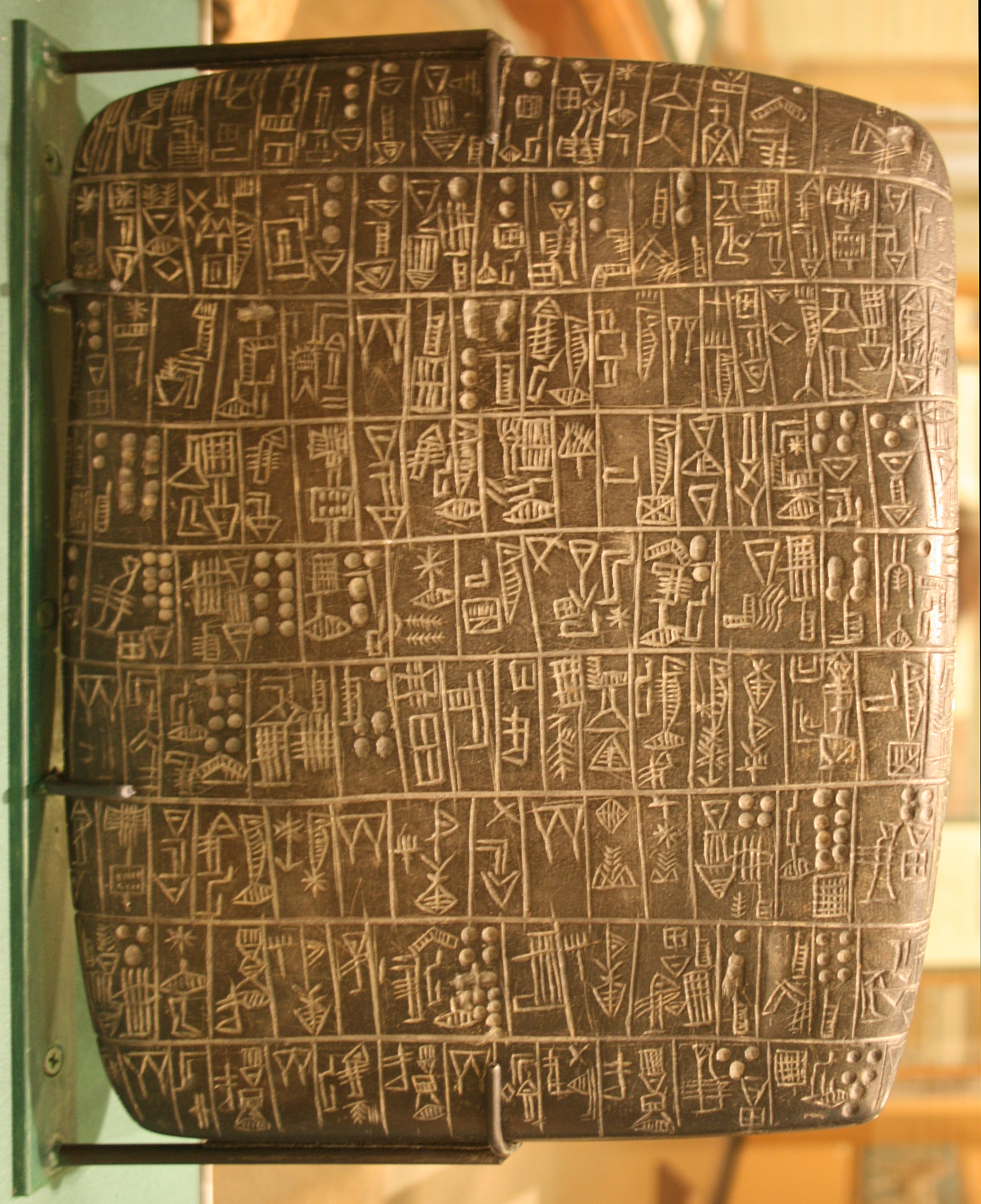
  • Ancient scribes controlled information through restricted literacy
  • Modern digital oligarchy controls information through data asymmetries
  • Information control creates power imbalances in society

Modern Information Asymmetries

  • Algorithmic attention rents: excess returns from data control
  • Human attention becomes the bottleneck in the system
  • Power without corresponding social responsibility

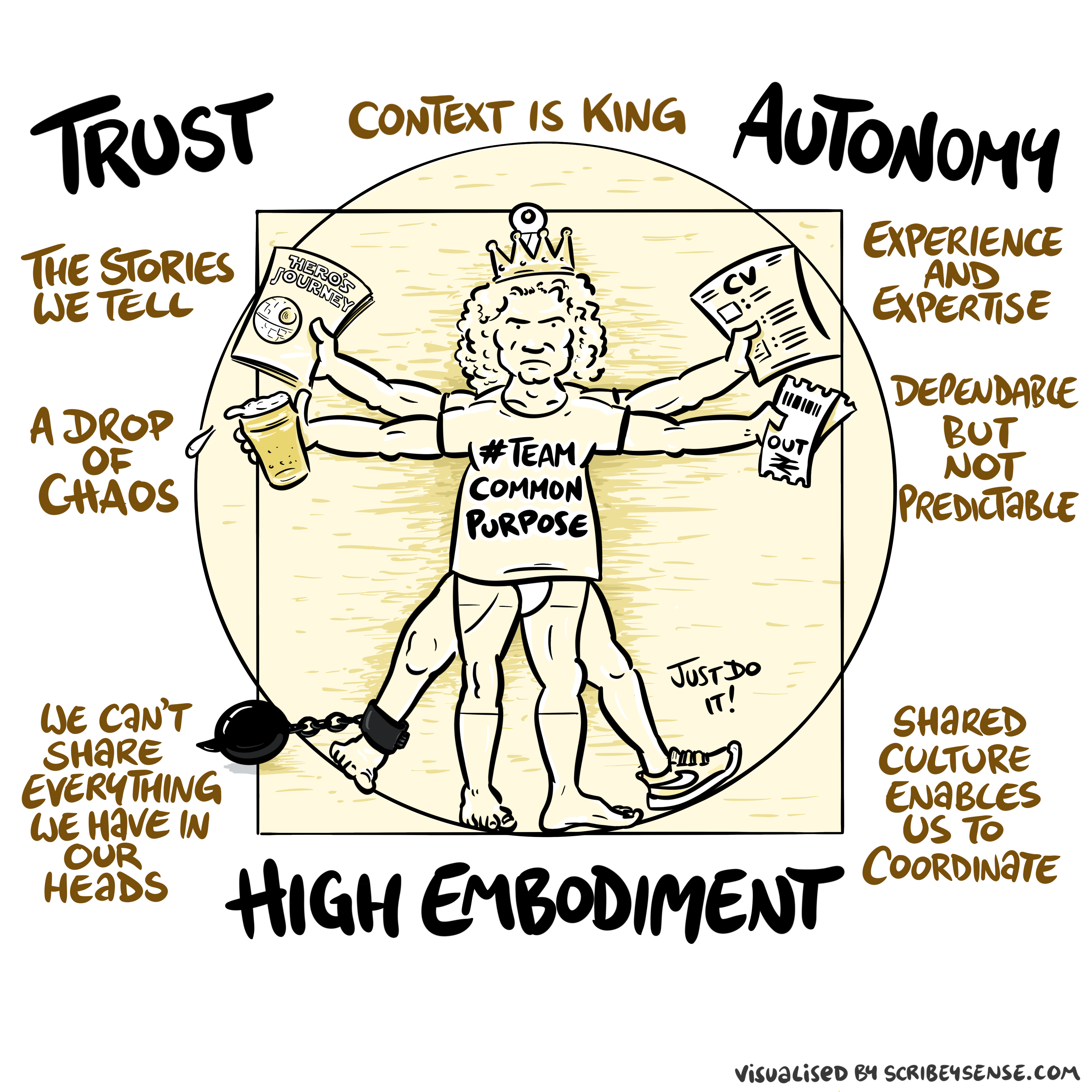
Trust, Autonomy and Embodiment

The Automation Challenge

  • Machines automate human “mental labor” with algorithmic decisions
  • Analogous to how machines previously automated physical labor
  • Result: potential inflation of human capital

The New Productivity Paradox

  • Original productivity paradox: investment without returns
  • Required organizational restructuring to realize benefits
  • Example: Amazon’s API mandate reorganized structure around software

From Quantity to Distribution

  • Modern AI paradox: misalignment of innovation with societal needs
  • Innovation concentrated in commercial, not social domains
  • Gap between technological advancement and social value creation

The Innovation Flywheel

  • Invests in R&D to produce technical innovations
  • Innovations deployed as productivity improvements
  • Improvements generate economic surplus
  • Surplus reinvested in further R&D


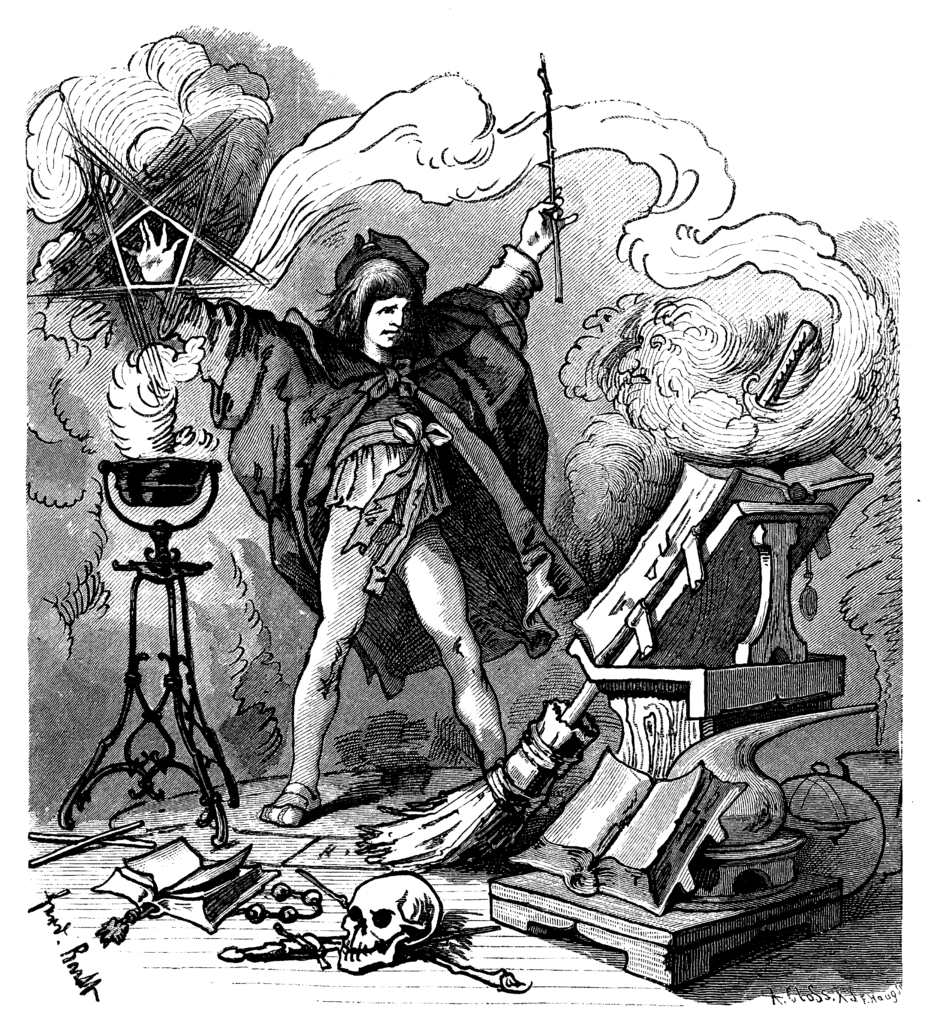
The Sorcerer’s Apprentice

The Horizon Scandal

The Attention Reinvestment Cycle

  • Traditional innovation flywheel: R&D → Innovation → Productivity → Economic Surplus → R&D
  • Problem: Misalignment with societal needs in healthcare, education, social care

A New Model for Innovation

  • Attention Reinvestment Cycle liberates human attention
  • Freed attention reinvested in knowledge networks
  • Creates value through improved human services

HAM

HAM

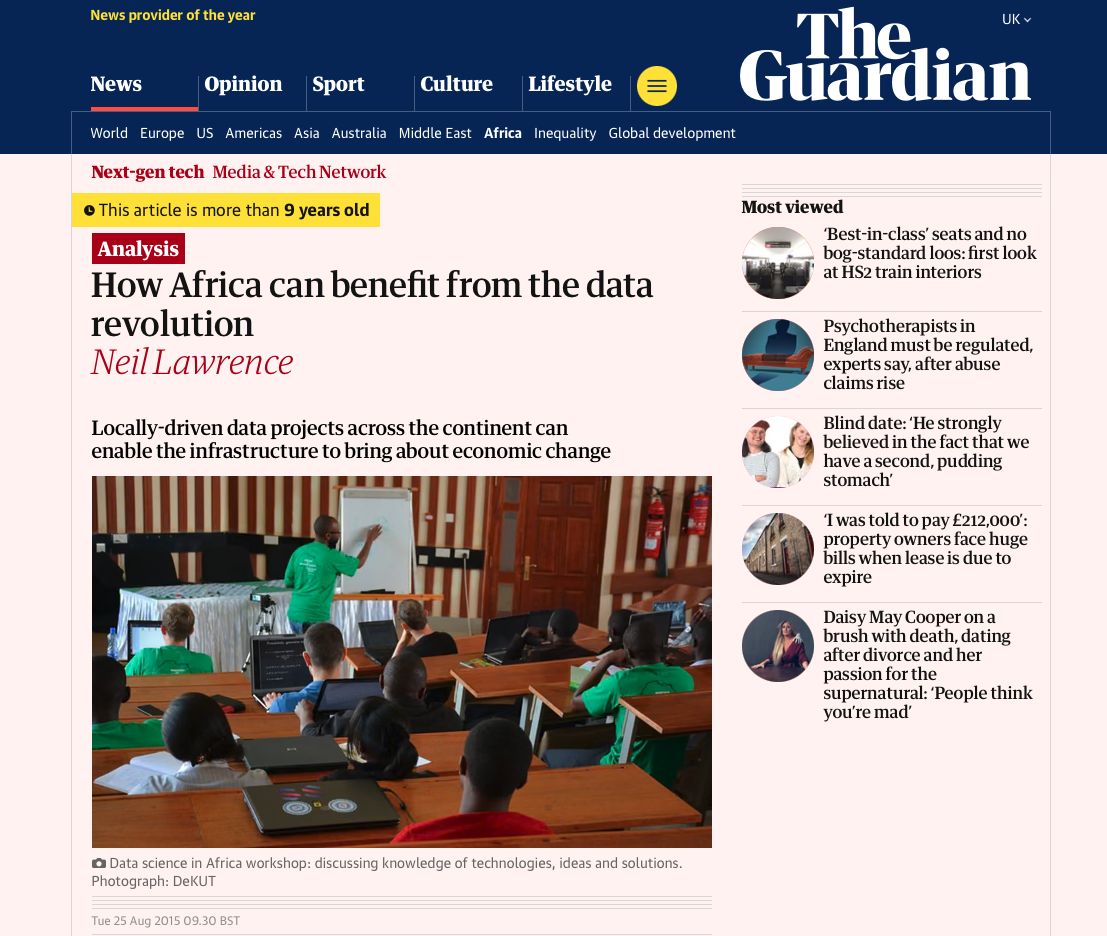
Data Science Africa is a bottom up initiative for capacity building in data science, machine learning and AI on the African continent
Conclusion

  • AI innovation must connect with societal needs
  • Engage with piecemeal social engineers
  • Move from grand narratives to practical deployment
  • Bridge technical and social domains
  • ai@cam https://ai.cam.ac.uk

ai@cam

  • E.g. Local government accelerator.
  • Based on public dialogue
  • AI clubs in local authorities
  • “Reverse” Poster Session
  • AI that serves science, citizens and society

Thanks!

References

Lawrence, N.D., 2024. The atomic human: Understanding ourselves in the age of AI. Allen Lane.
Scally, A., 2016. Mutation rates and the evolution of germline structure. Philosophical Transactions of the Royal Society B 371. https://doi.org/10.1098/rstb.2015.0137