Art and the Atomic Human
Vulnerability and Intelligence in the Age of AI
Neil D. Lawrence
Royal College of Art AI Festival, Battersea Campus, London

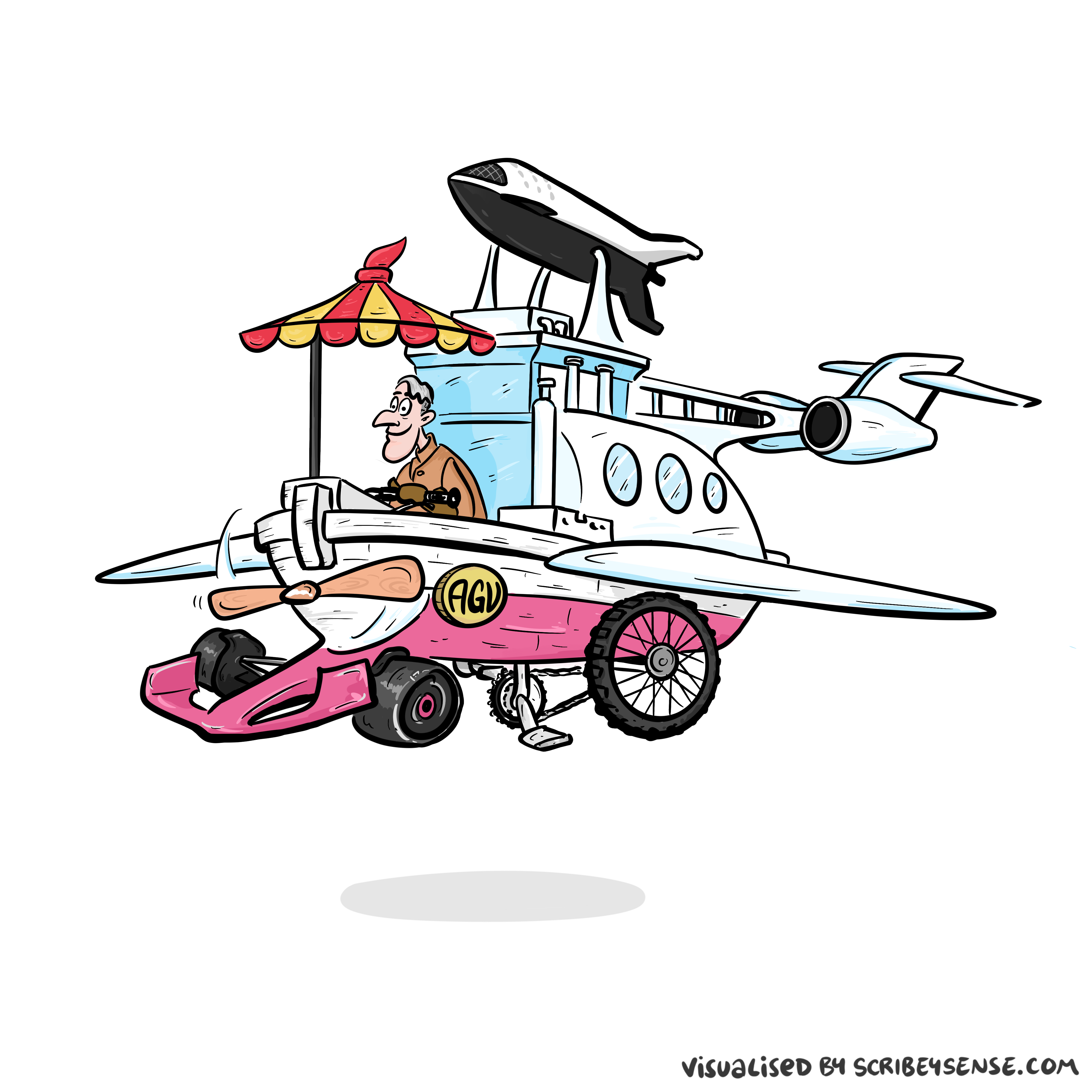
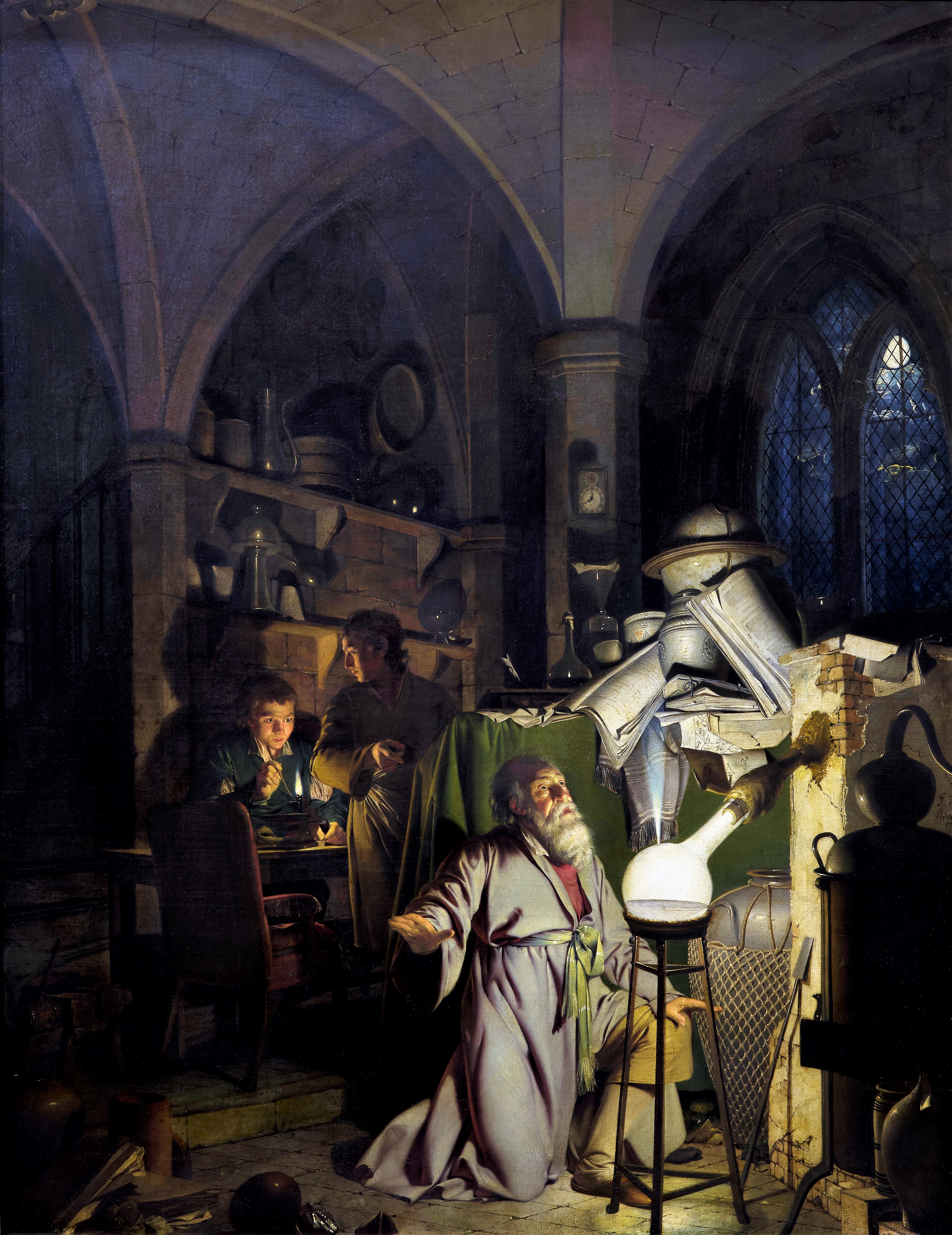
The Bandwidth of Human Expression
Communication Bandwidth
- Human communication: walking pace (2000 bits/minute)
- Machine communication: light speed (billions of bits/second)
- Our sharing walks, machine sharing …
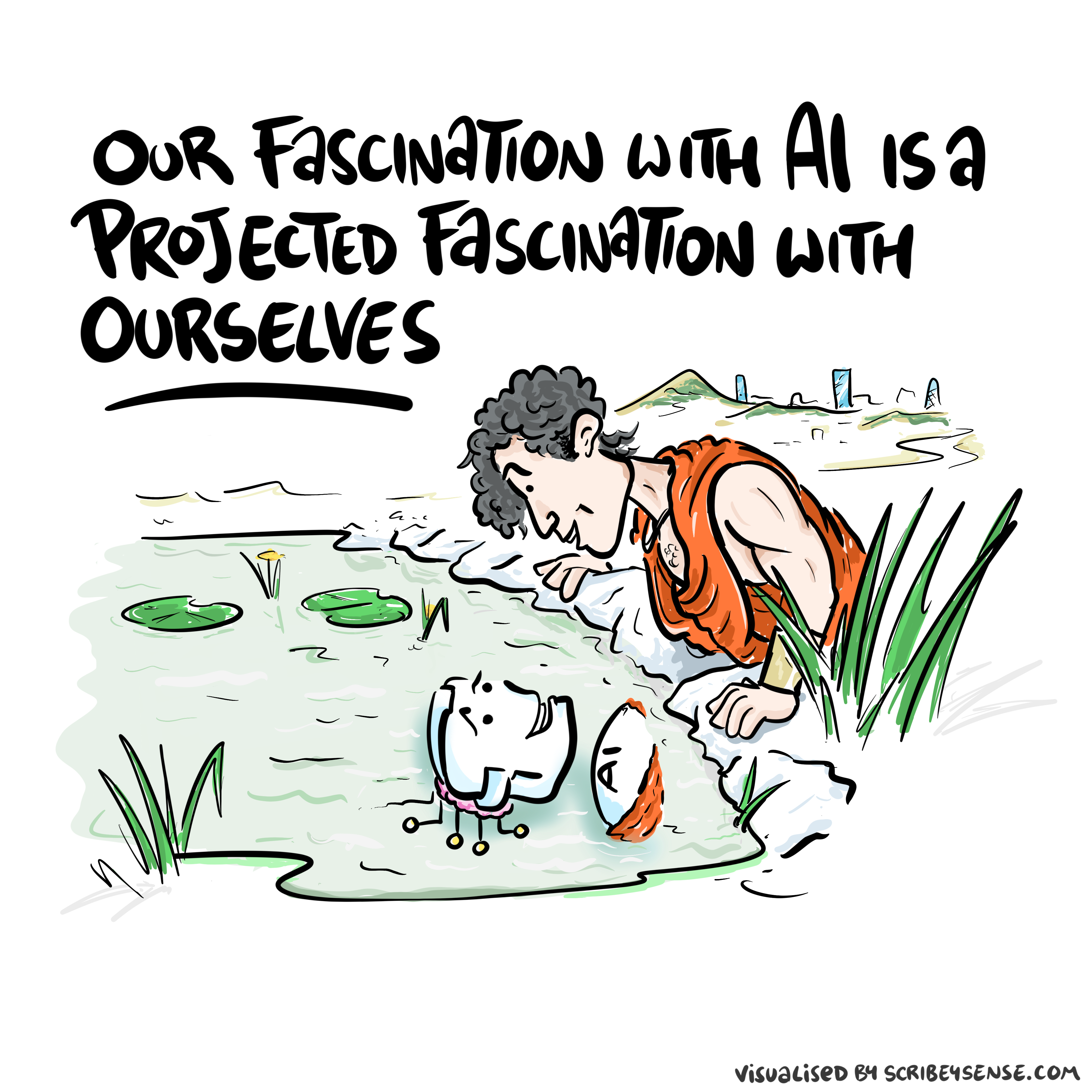
New Flow of Information
New Flow of Information
Evolved Relationship
Evolved Relationship
Culture and Communication
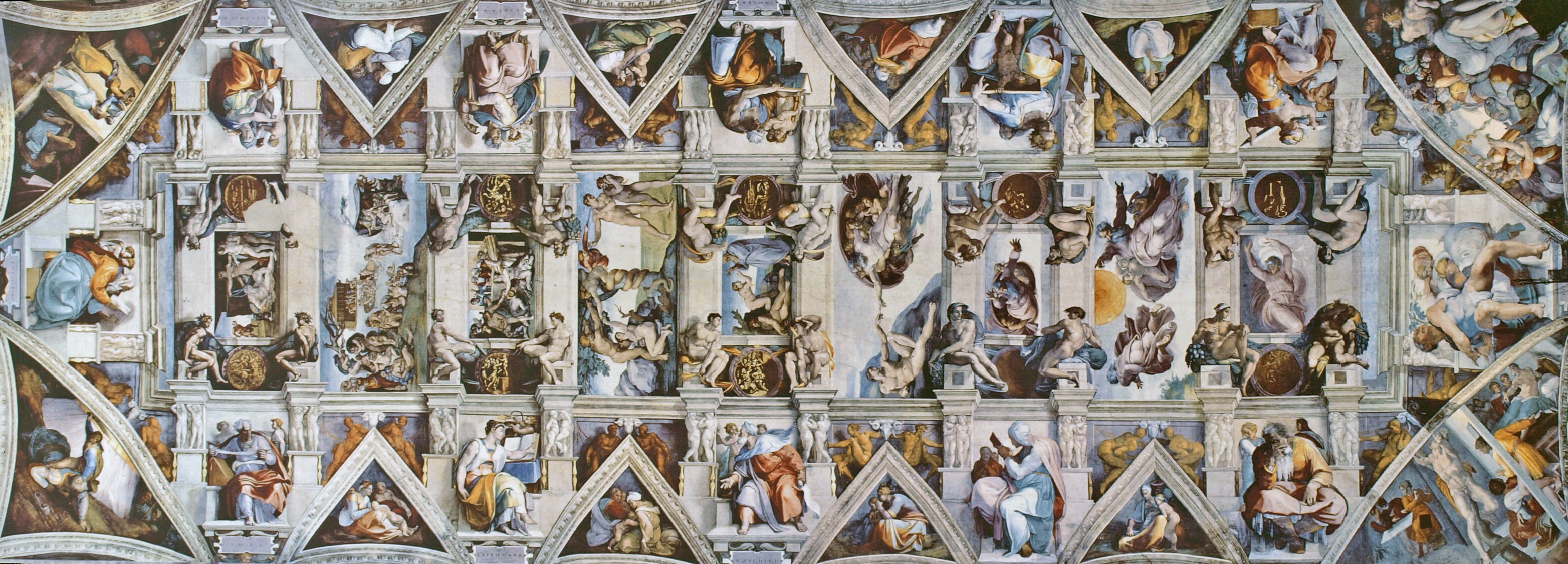
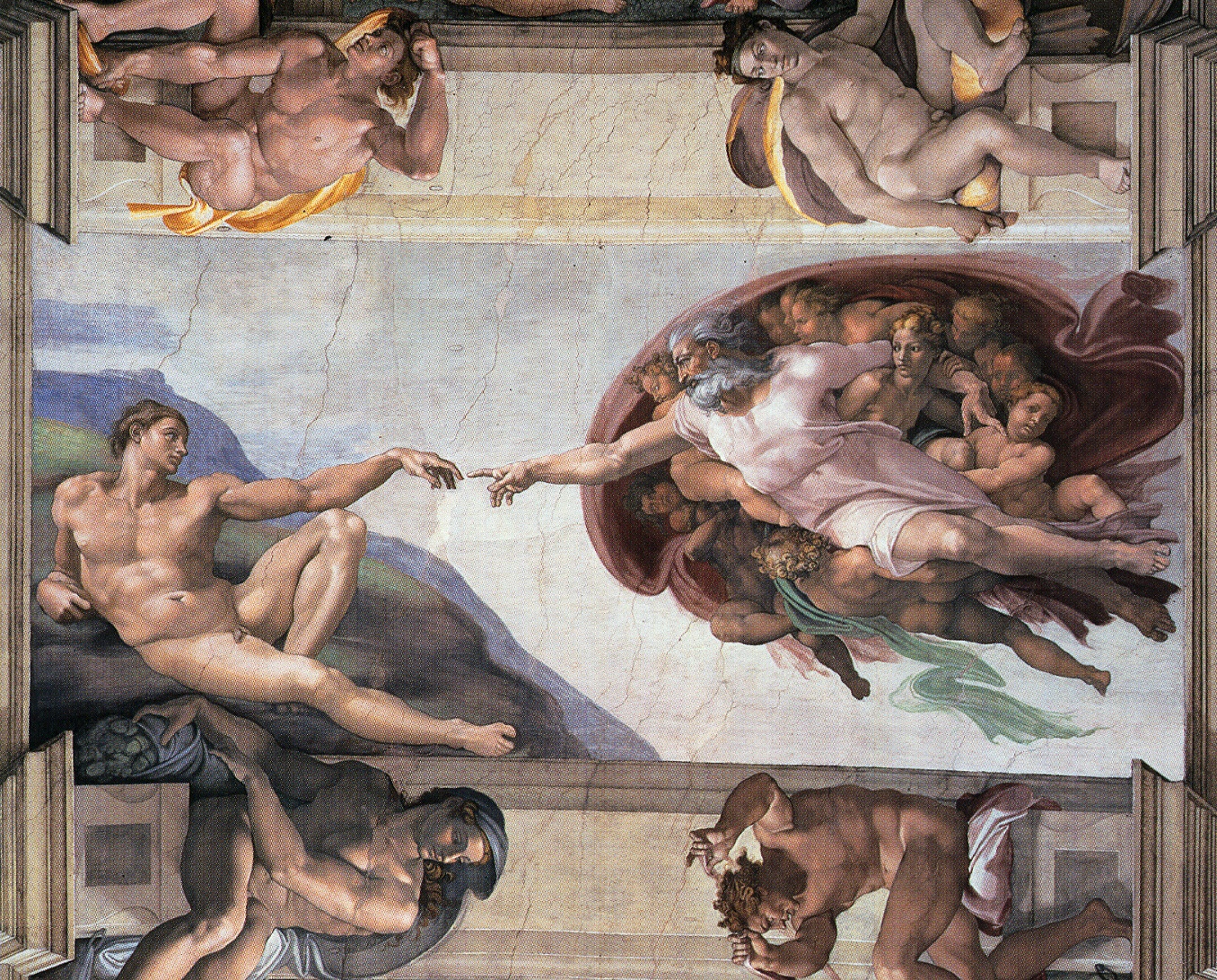
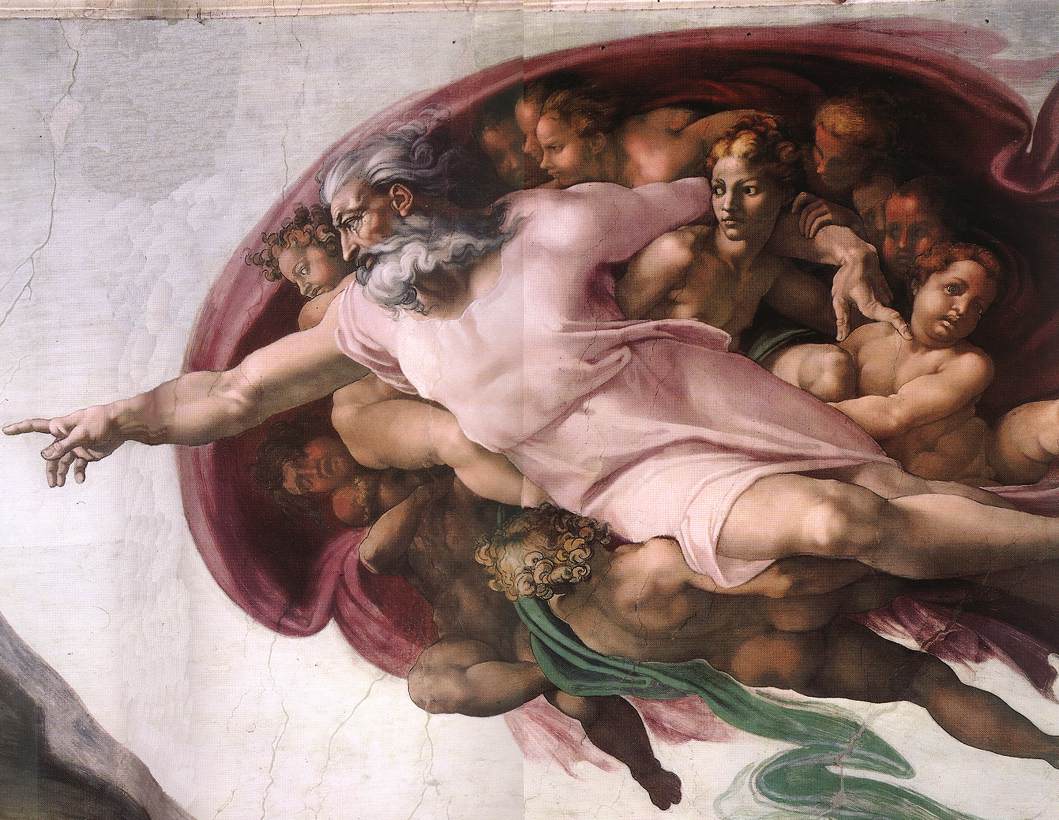
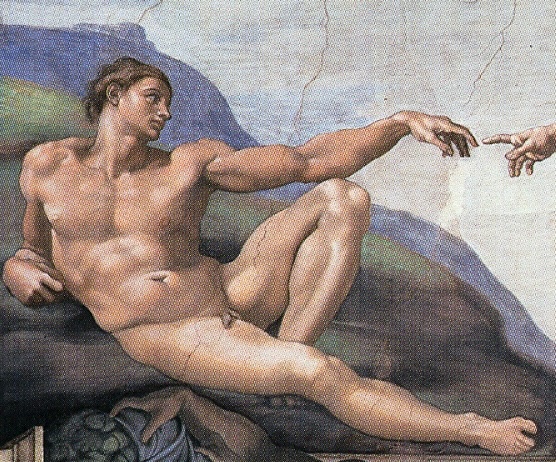
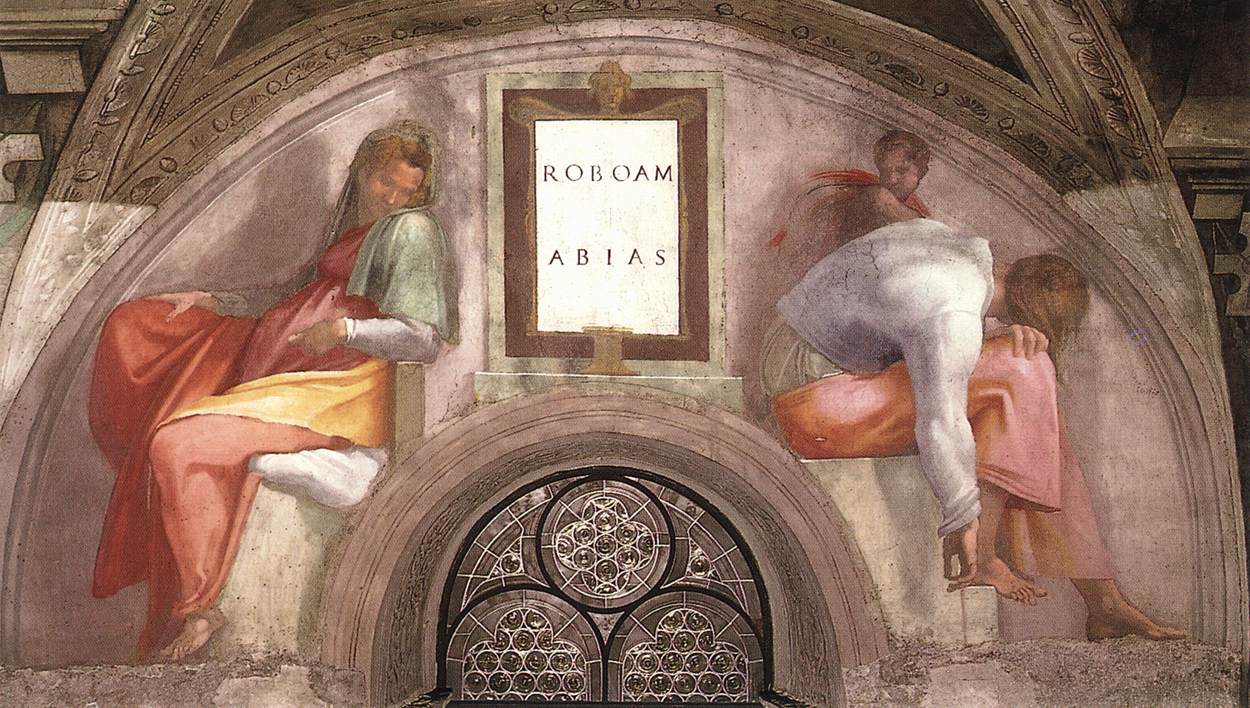
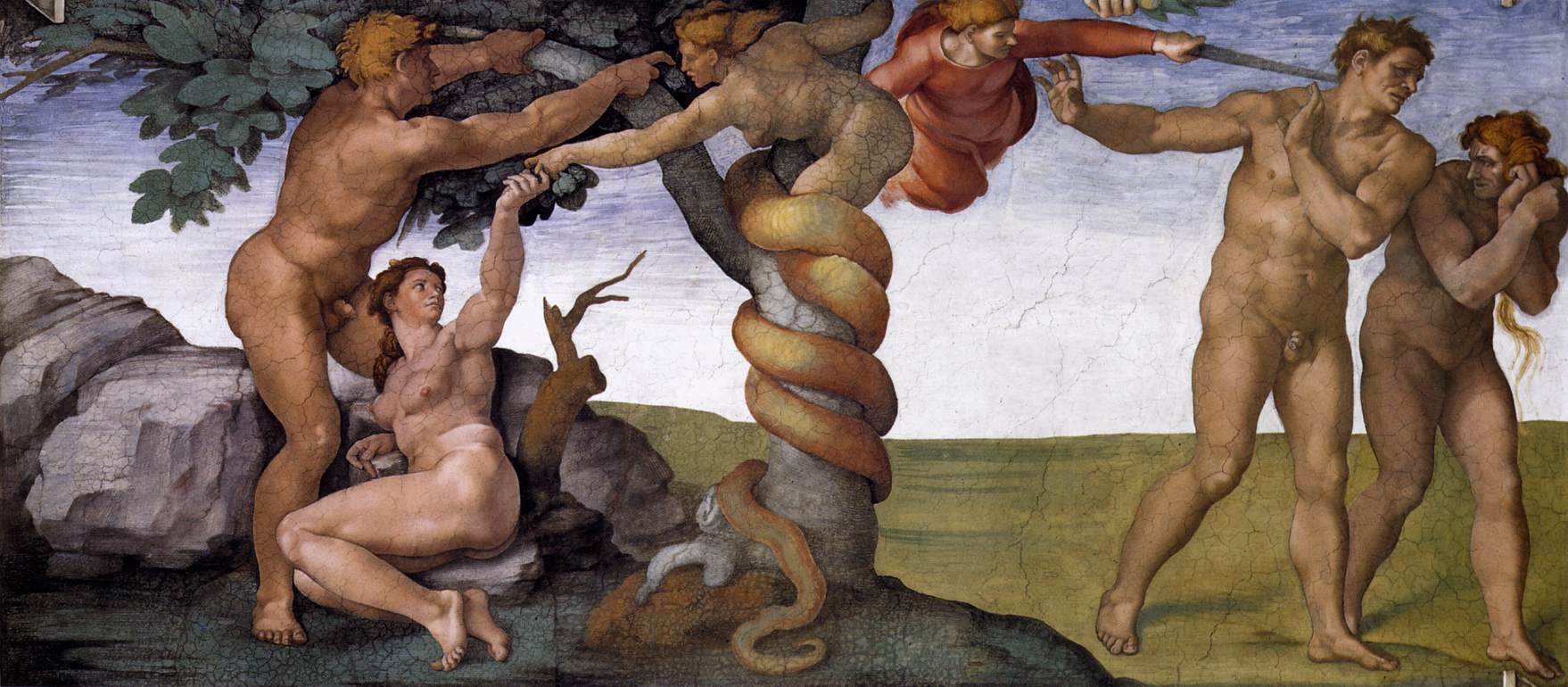
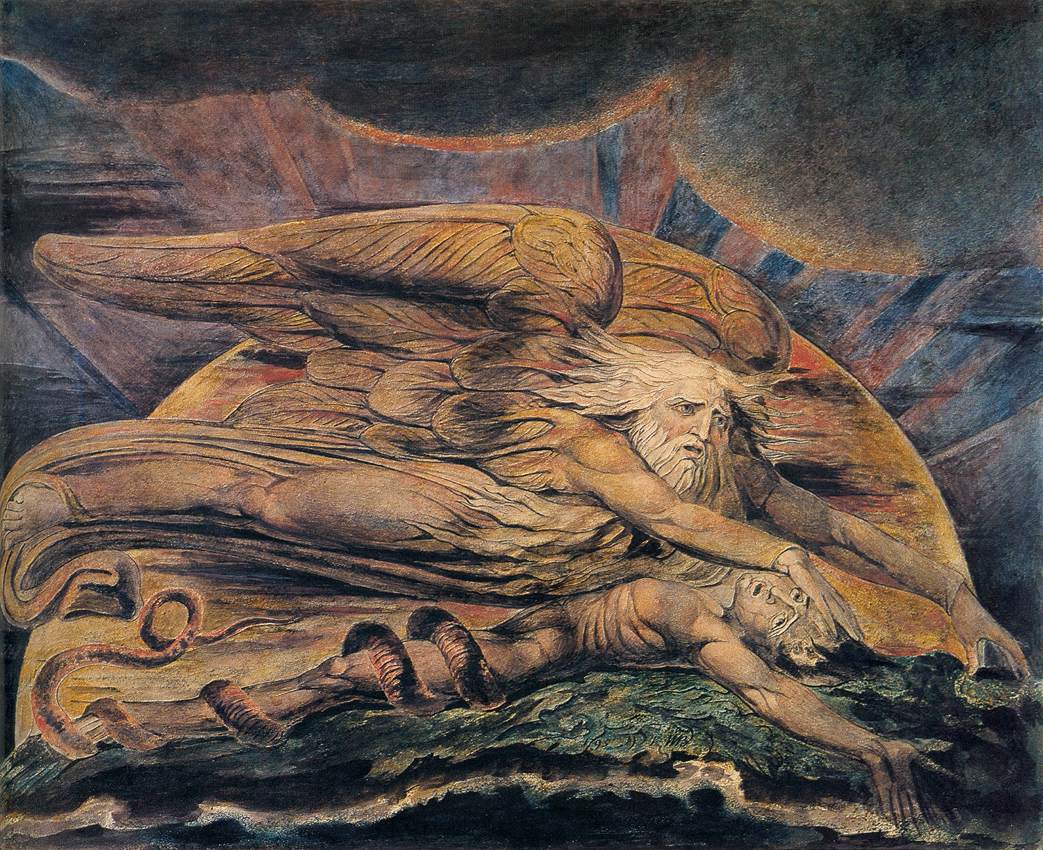
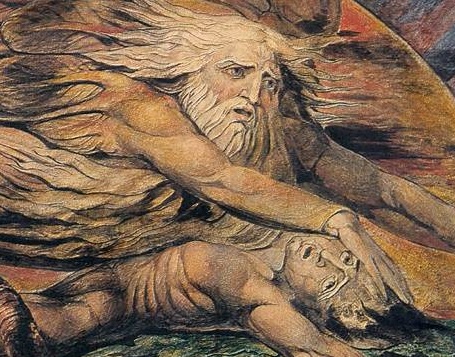
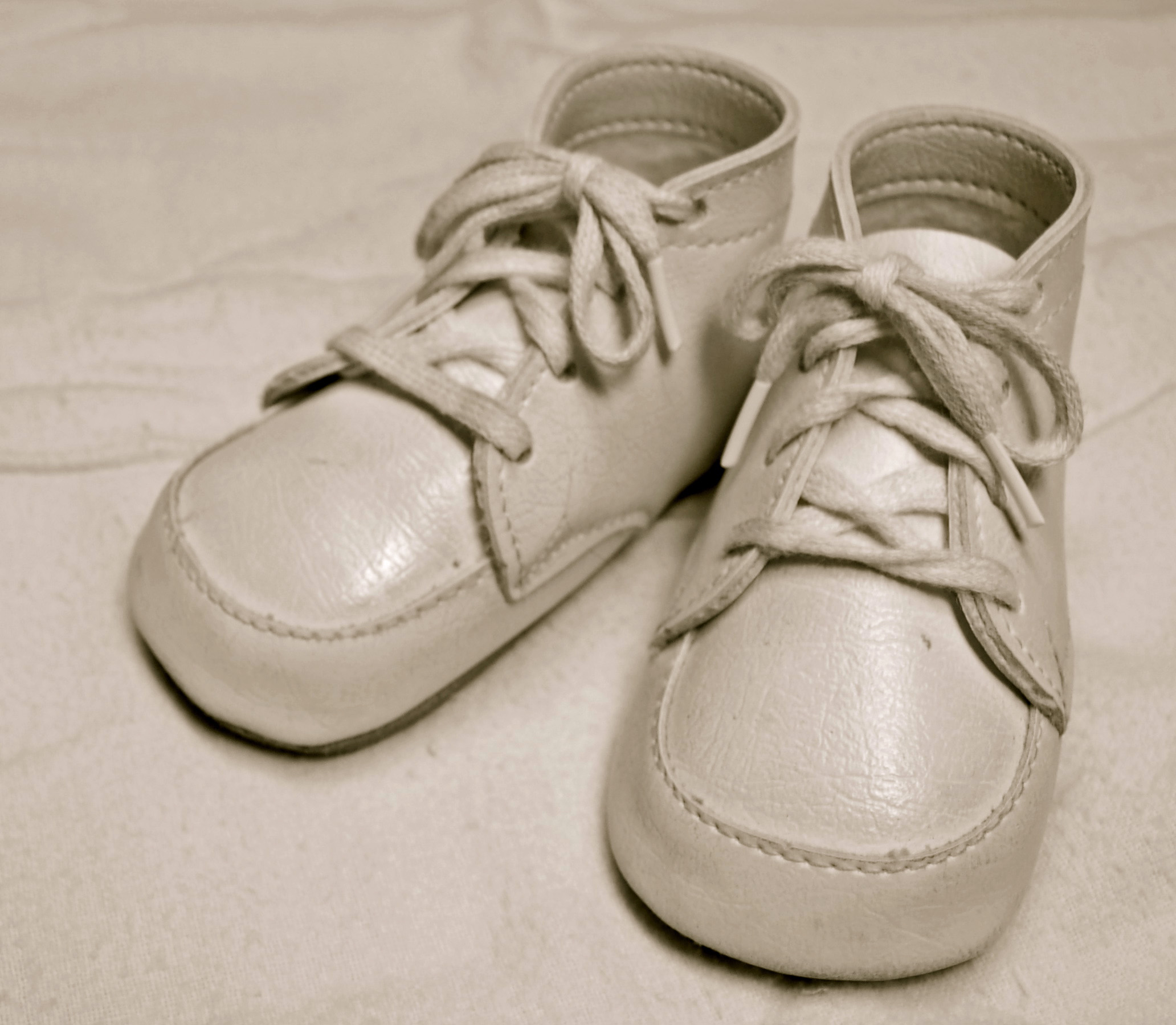
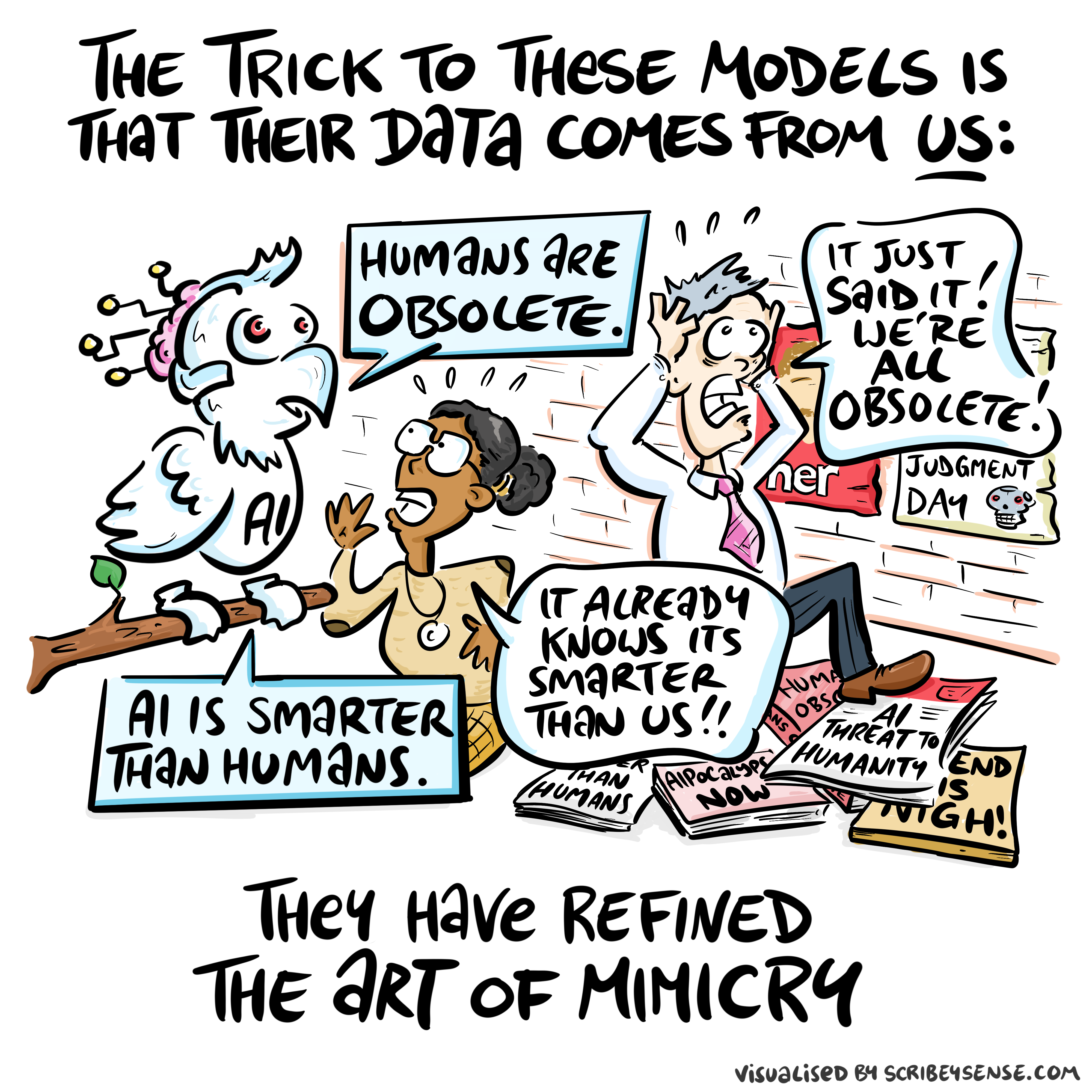
The MONIAC
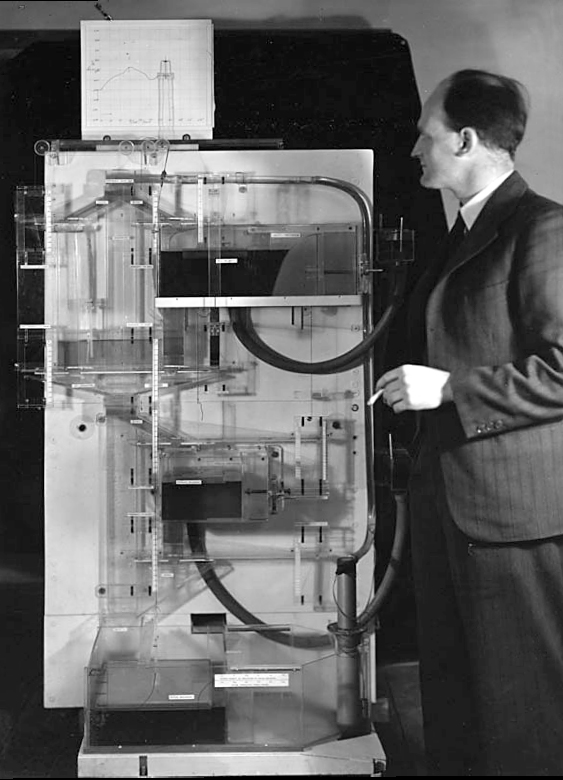
Human Analogue Machine
HAM
HAM
What AI Changes (and What It Doesn’t)
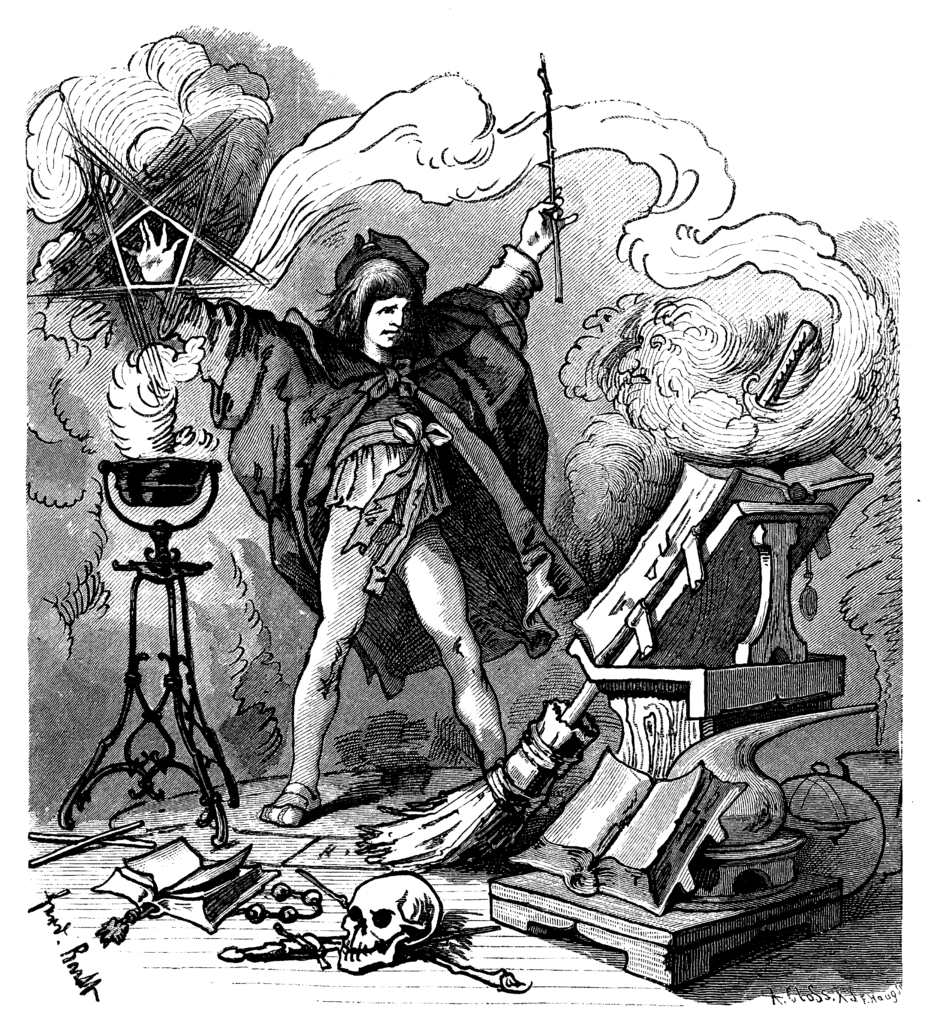
The Sorcerer’s Apprentice
System Zero
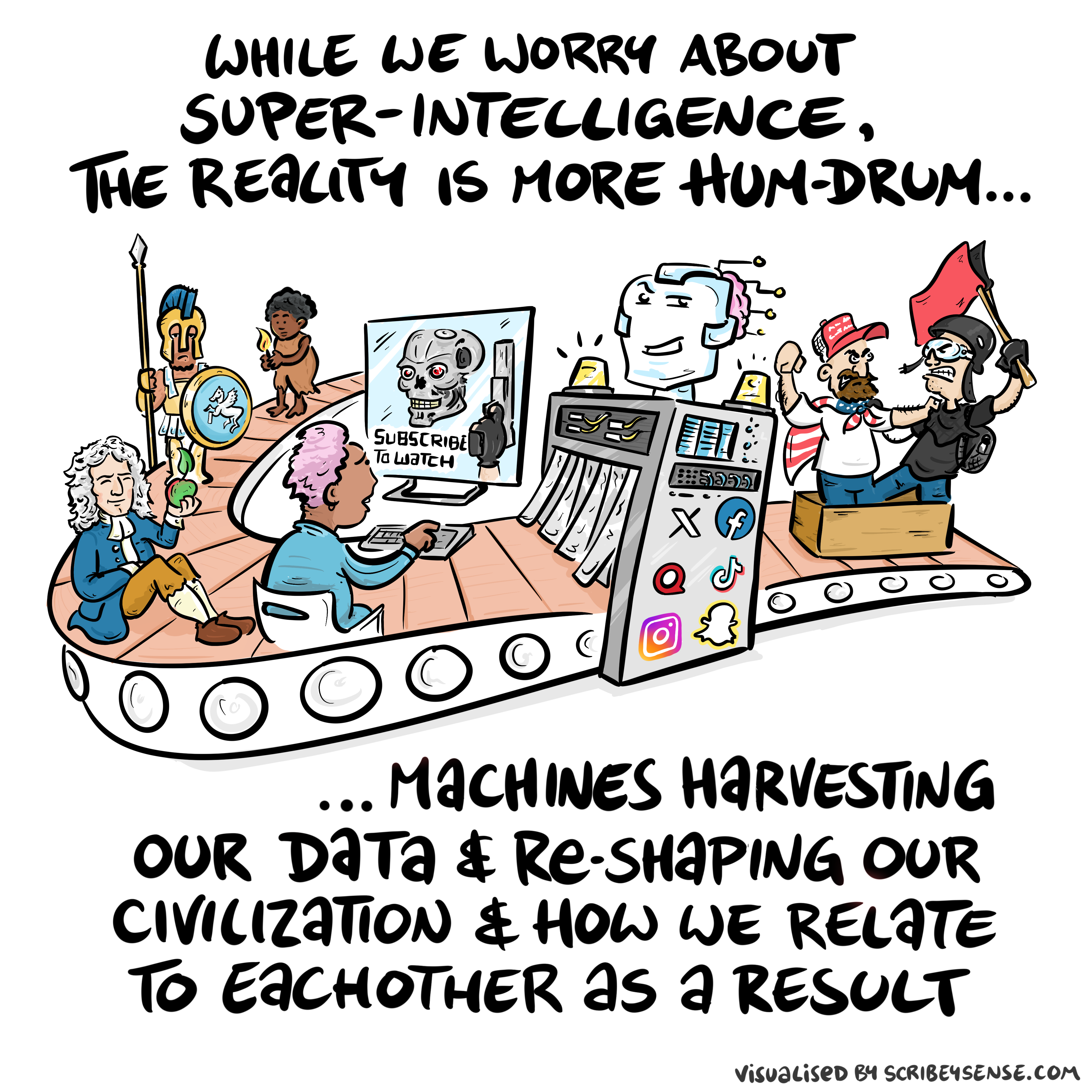
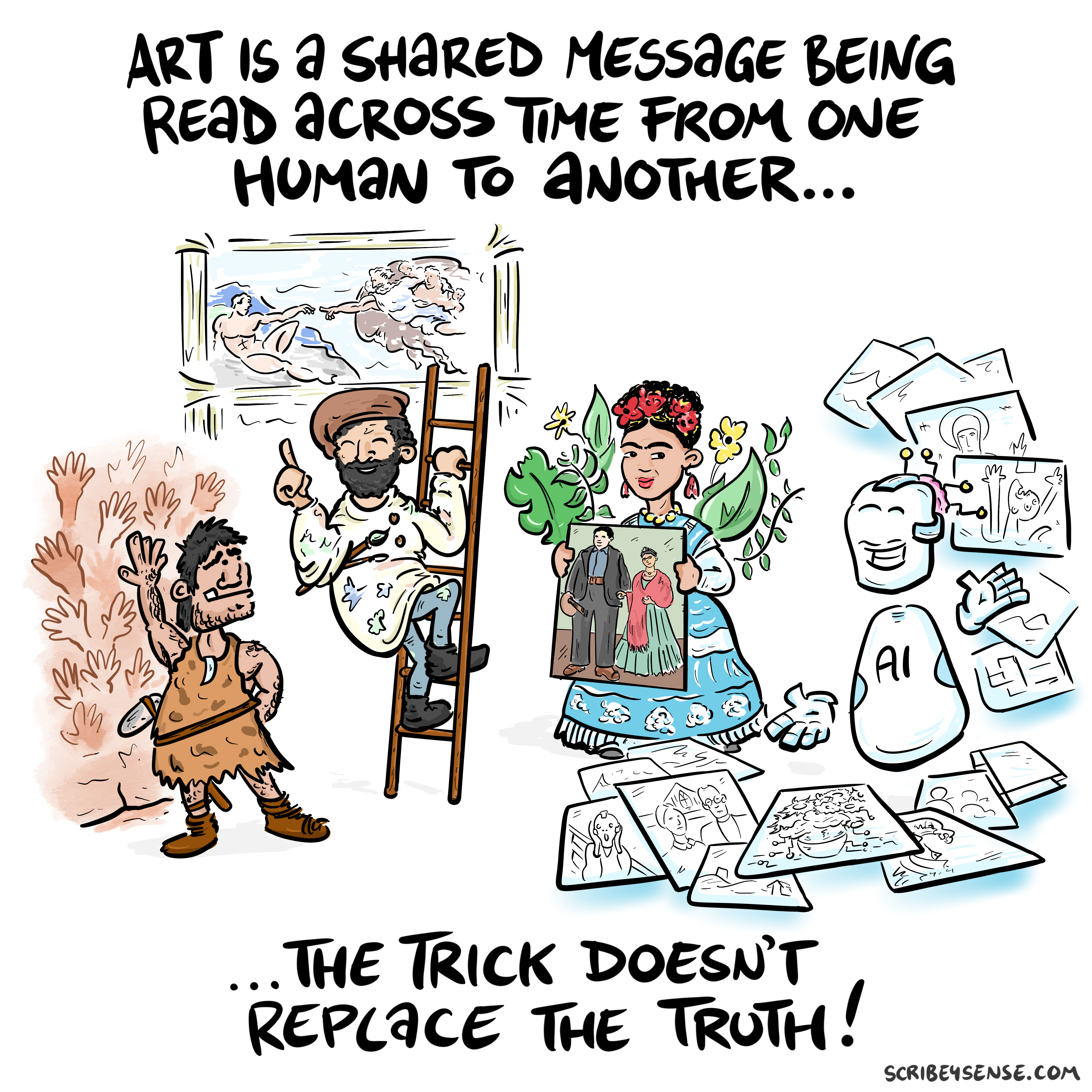
.
Art and Design in an AI World
Questions for Artists, Designers and their Institutions
- What do we want to keep human in art and design?
- How do we preserve authorship and meaning when imitation is cheap?
- What can cultural institutions do to protect creativity without blocking innovation?
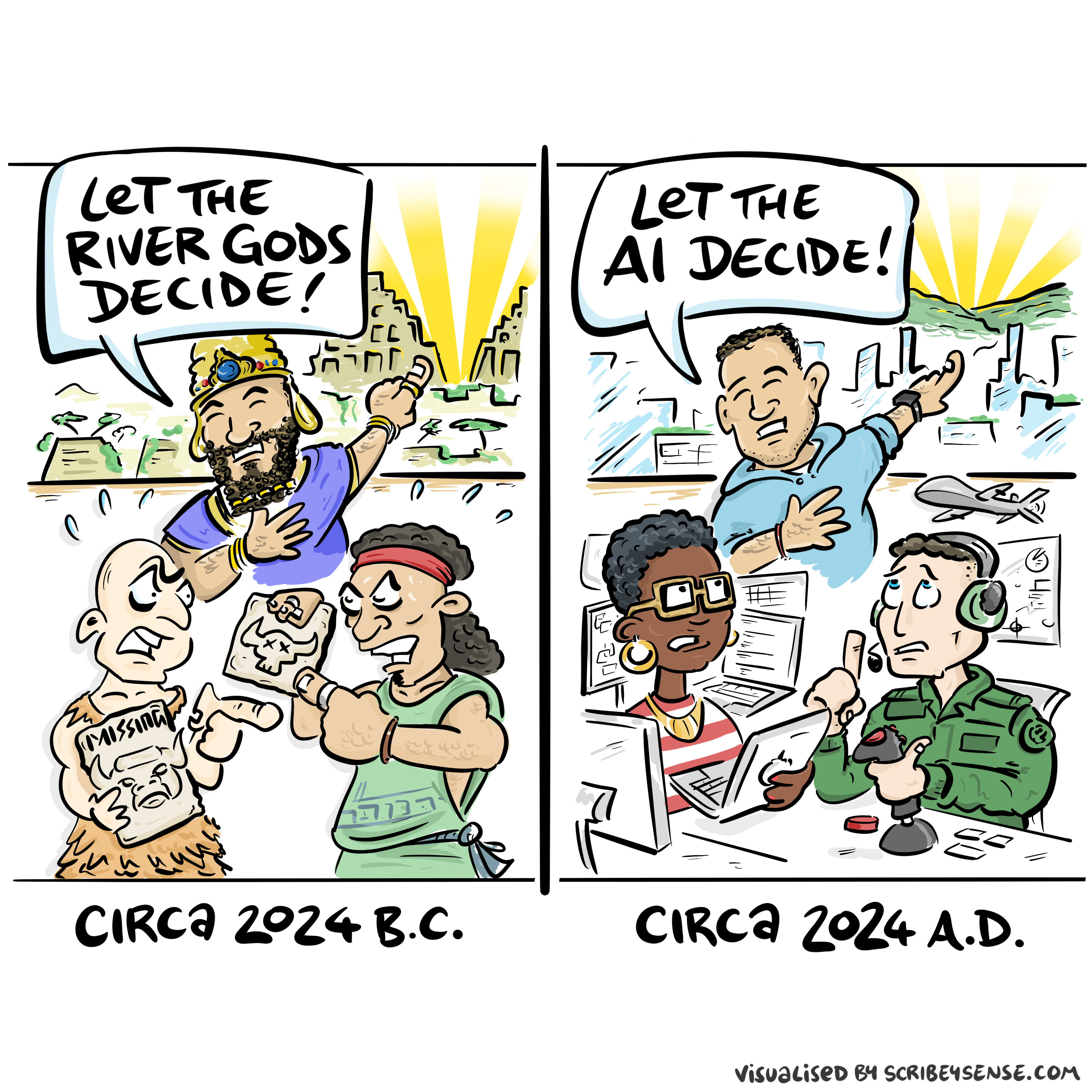
- Where should accountability lie when AI is used in creative work?
Practical Approaches
- Keep humans on the hook: attribution and authorship.
- Make delegation conditional: be conscious about what is automated
- Teach critical engagement: understand how the tools what and their limitations
.
The Atomic Human in Creative Practice
- Our vulnerability is our strength.
- It leads to our shared context.
- Only a human can feel another human’s art.
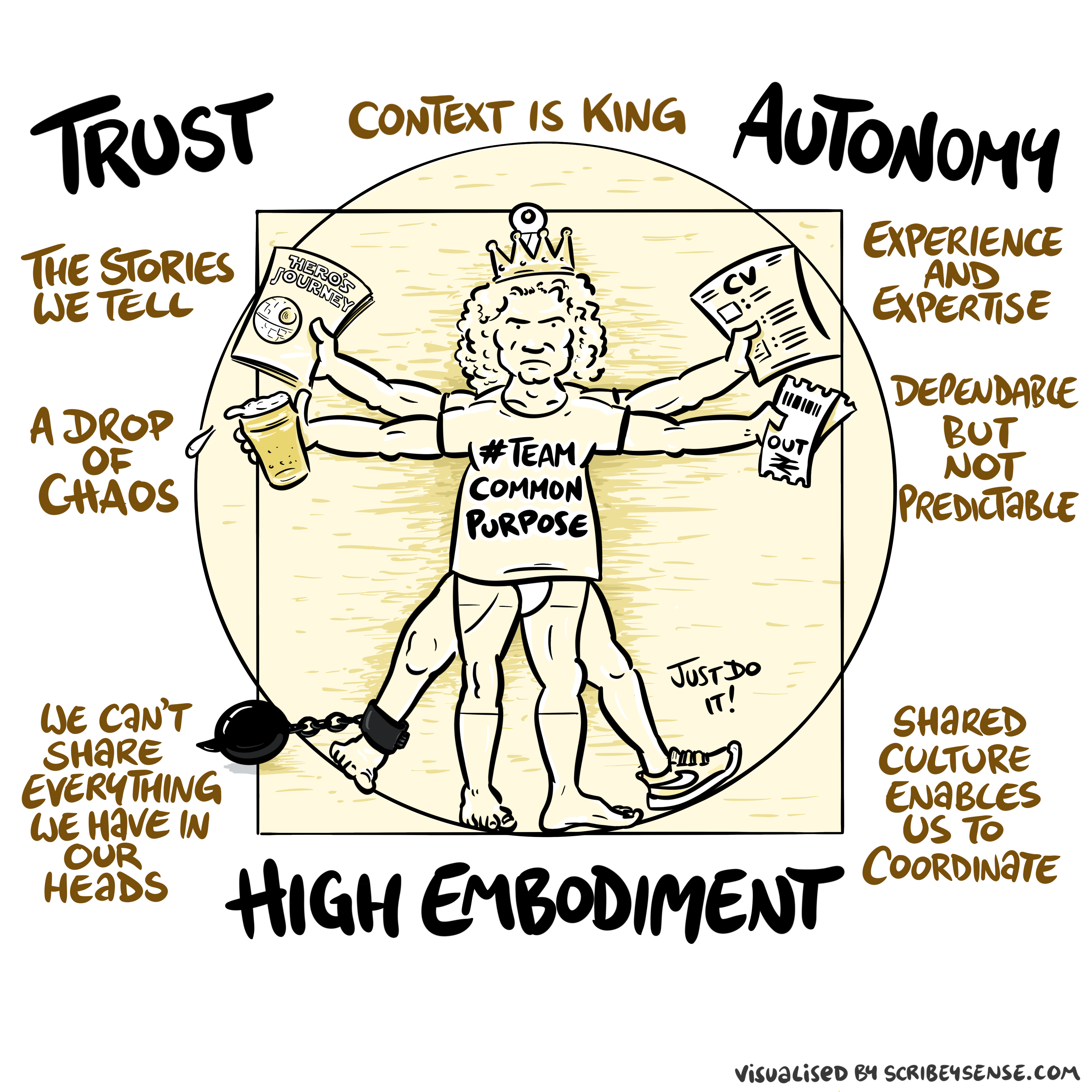
Trust, Autonomy and Embodiment
- Trust is not a slogan
- Trust is an infrastructure
- Autonomy depends on Trust
- Trust depends on shared culture
Trust, Autonomy and Embodiment
Conclusion
- AI is a moment of:
- Tremendous possiblity
- Genuine challenge
Conclusion
- AI will change …
- … how art is made.
- … how design is practiced.
Conclusion
- But it won’t change …
- … what art means.
- … why it matters.
Question
Thanks!
company: Trent AI
book: The Atomic Human
twitter: @lawrennd
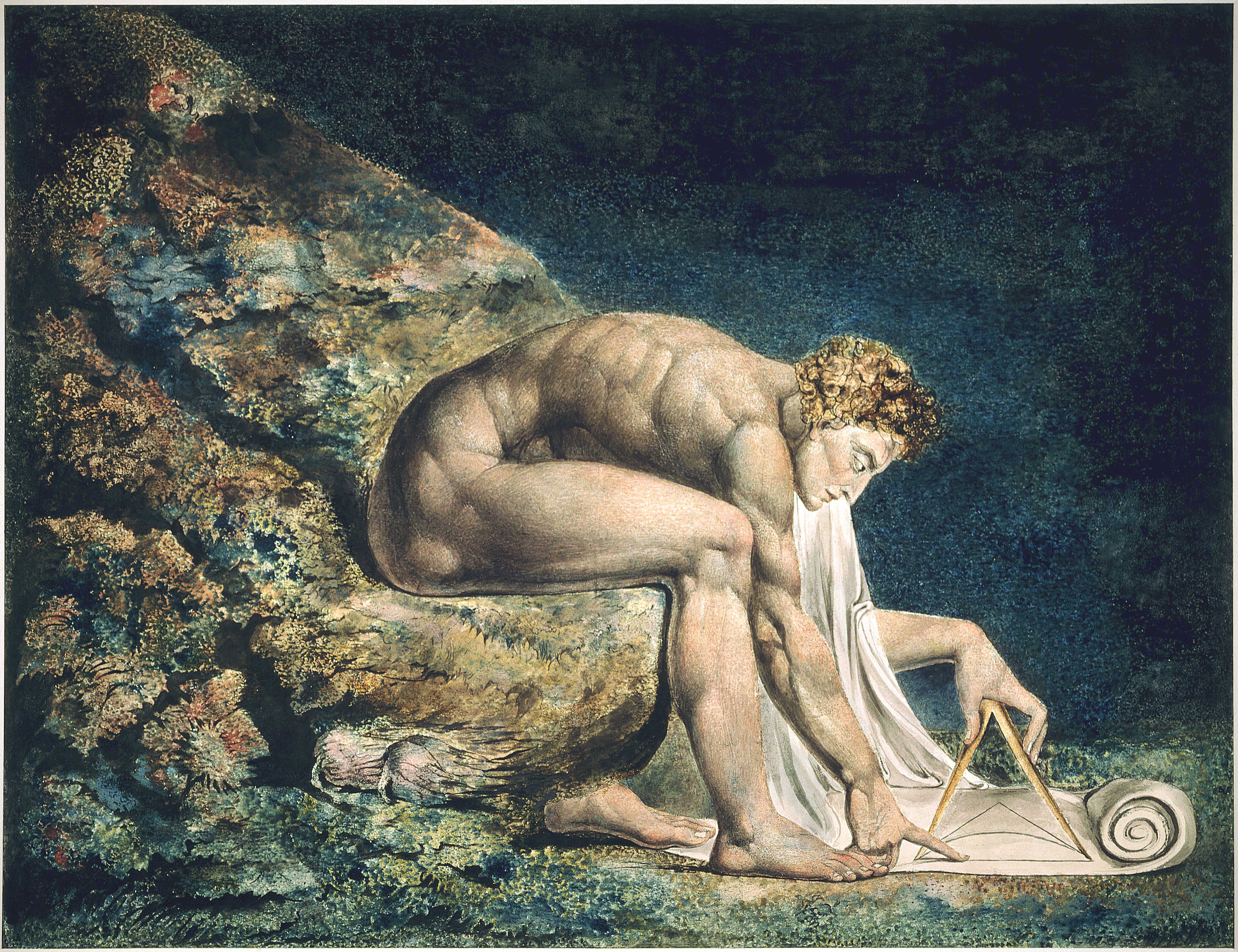
The Atomic Human pages atomic human, the 13 , Terminator image embodies 7, 9, 12, 13, 21, 30, 31, 216, 220, 257, 333, 353, Terminator (movie character) 7, 9, 12, 13, 21, 30, 31, 216, 220, 257, 333, 353, anthropomorphization (‘anthrox’) 30-31, 90-91, 93-4, 100, 132, 148, 153, 163, 216-17, 239, 276, 326, 342, topography, information 34-9, 43-8, 57, 62, 104, 115-16, 127, 140, 192, 196, 199, 291, 334, 354-5, anthropomorphization (‘anthrox’) 30-31, 90-91, 93-4, 100, 132, 148, 153, 163, 216-17, 239, 276, 326, 342, Blake, William Newton 121–123, Blake, William Newton 121–123, 258, 260, 283, 284, 301, 306, Michelangelo, The Creation of Adam 7-9, 31, 91, 105–106, 121, 153, 206, 216, 350, Garden of Eden 350-351, Blake, William Elohim Creating Adam 121, 217–18, baby shoes 368, MONIAC 232-233, 266, 343, ignorance: HAMs 347, test pilot 163-8, 189, 190, 192-3, 196, 197, 200, 211, 245, human-analogue machine (HAMs) 343-347, 359-359, 365-368, sorcerer’s apprentice 371-374, trust 43, 79, 100, embodiment factor 13, 29, 35, 79, 87, 105, 197, 216-217, 249, 269, 327, 353, 363, 369, topography, information 34-9, 43-8, 57, 62, 104, 115-16, 127, 140, 192, 196, 199, 291, 334, 354-5.
Sunday Times article “Our lives may be enhanced by AI, but Big Tech just sees dollar signs”
Times article “Don’t expect AI to just fix everything, professor warns”
blog posts:
Two Types of Stochastic Parrots