The Atomic Human
Understanding Ourselves in the Age of AI
Banca d’Italia Seminar, Palazzo Koch, Via Nazionale 91, Roma
Artificial General Vehicle
Artificial General Vehicle

Philosopher’s Stone

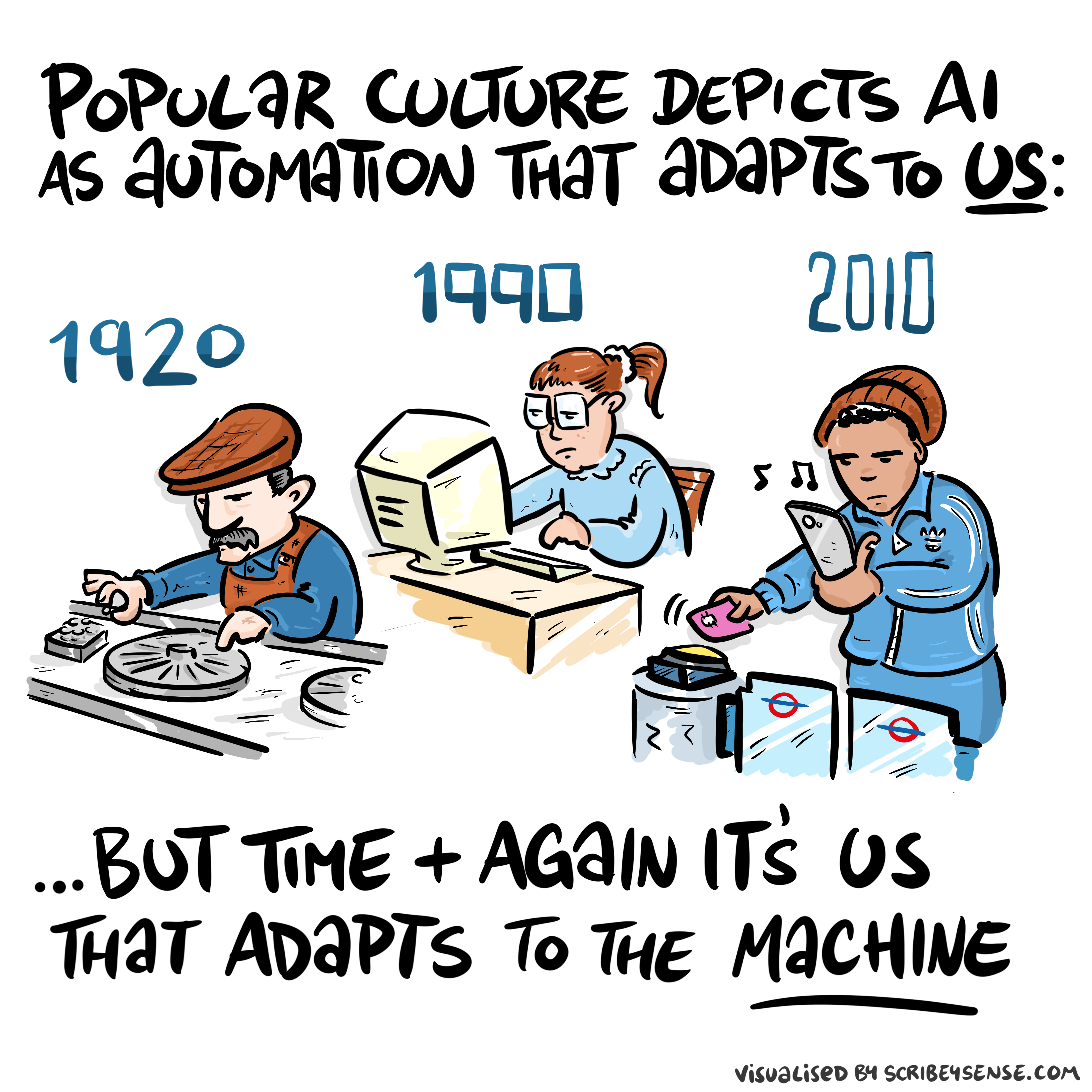
The Attention Economy
- Human intelligence is locked-in
- This makes it a bottleneck
Herbert Simon on Information
What information consumes is rather obvious: it consumes the attention of its recipients. Hence a wealth of information creates a poverty of attention …
Simon (1971)
.
Human Capital Index
- World Bank Human Capital Index 2020
- Measures health and education
Ranking
- UK 0.78 11th globally
- Italy 0.73 30th globally
- US 0.70 35th globally
- China 0.65 45th globally
Productivity Flywheel
Inflation of Human Capital
- Strength in Human Capital double-edged sword.
- Automation creates efficiency.
- But skills risk becoming redundant.
Inflation Proof Human Capital
- Does automation totally displace the human?
- Or is there an irreducible core?
Uncertainty Principle
- Machines rely on measurable outputs
- Quantified aspects of humans easier to automate
- Essential aspects of humanity are the hardest to measure
- Implies: atomic human is difficult to quantify
Homo Atomicus
- Where we have homo economicus the machine can step in.
- Quantitative vs Qualitative gap
- Homo atomicus is …
- Not in A-level results
- Not in hospital waiting lists
- In the quality of human interaction
New Productivity Paradox
- Current productivity flywheel relies on measurement to translate innovation into productivity.
- Without measurement how does the wheel spin?
Supply Chain of Ideas
- Ideas flow from creation to application like physical supply chains
- Parallels with traditional economic supply chain management
- Particularly relevant for IT and AI solutions
Supply Chain of Ideas
- Current imbalance between supply and demand sides
- Mismatch between macroeconomic interventions and microeconomic need
- Over-Focus on solutionism
- technologies/companies
- Under-focus on real-world needs … disconnect between government and citizens … disconnect between companies and customers
Supply Chain of Ideas
- Need to map idea problems demand to idea supply
- Need to understand … problems (demand) … current “stock” of solutions (supply)
- Requires active management of idea resources
- Shape supply to meet demand
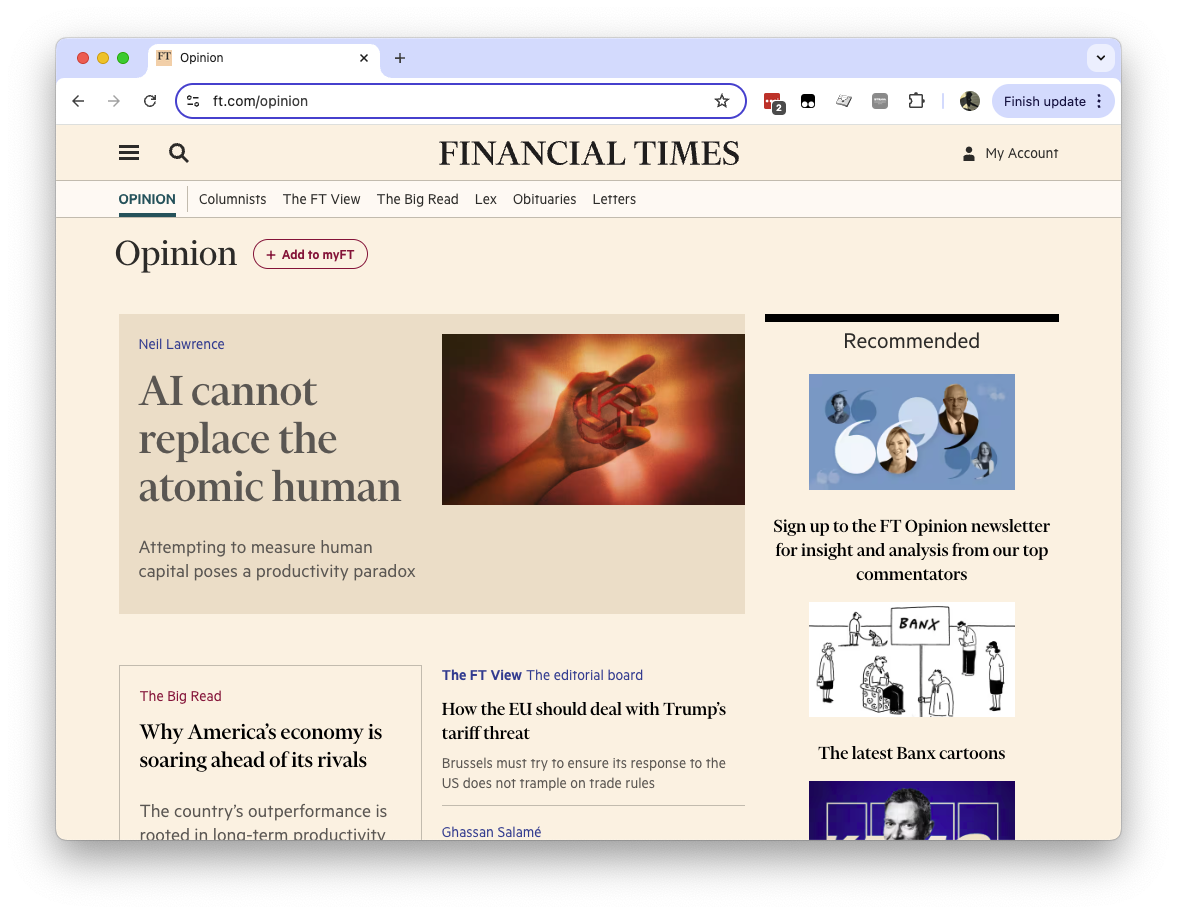
AI cannot replace atomic human
Attention Reinvestment Cycle

Cromford

Distretti Industriali
- 18th Century Emilia Romagna: Silk, Paper
- The Black Country
- Exhibit: Strength in Community Strength in Diversity Poor economies of scale
- Requires: Strength in Europe
Wicked Problems

Example: Cambridge Approach
ai@cam

How ai@cam is Addressing Innovation Challenges
- A-Ideas (across 20 departments)
- Policy lab (with Bennett, Minderoo)
- HPC Pioneer projects (with RCS, C2D3)
- Accelerate programme (Schmidt Sciences funded)
Innovation Economy Conclusion
- Interact directly with micro-demand
- Release quality attention
- Reinvest human capital in more innovation
Thanks!
company: Trent AI
book: The Atomic Human
twitter: @lawrennd
newspaper: Guardian Profile Page
blog posts:
References
Lawrence, N.D., 2024. The atomic human: Understanding ourselves in the age of AI. Allen Lane.
Simon, H.A., 1971. Designing organizations for an information-rich world. Johns Hopkins University Press, Baltimore, MD.