
The Atomic Human

Understanding ourselves in the age of AI

Neil D. Lawrence

Microsoft Research Cambridge — People-Centric AI Workshop

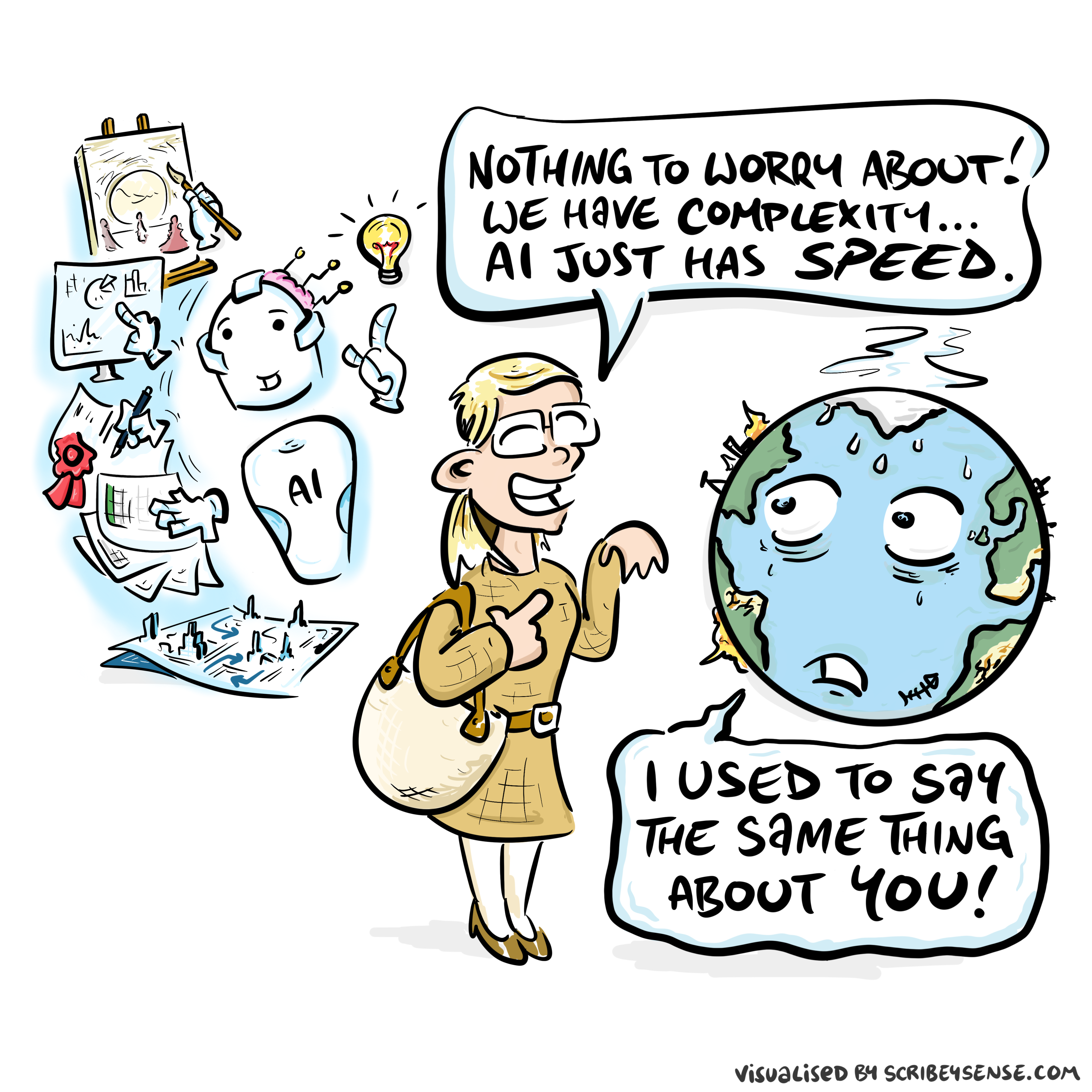
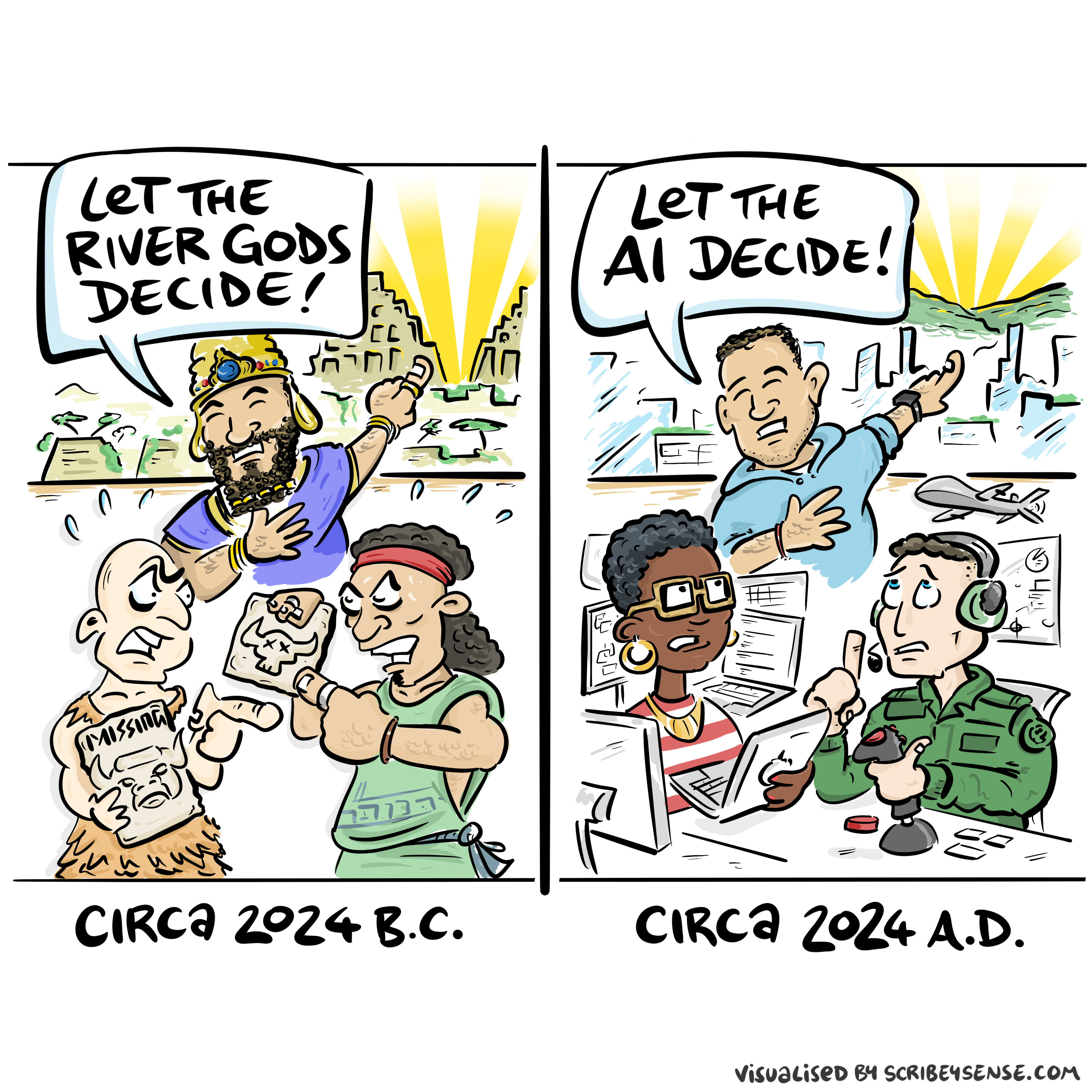
  • AI changes the site of decisions: speed, scale, and distance from context.
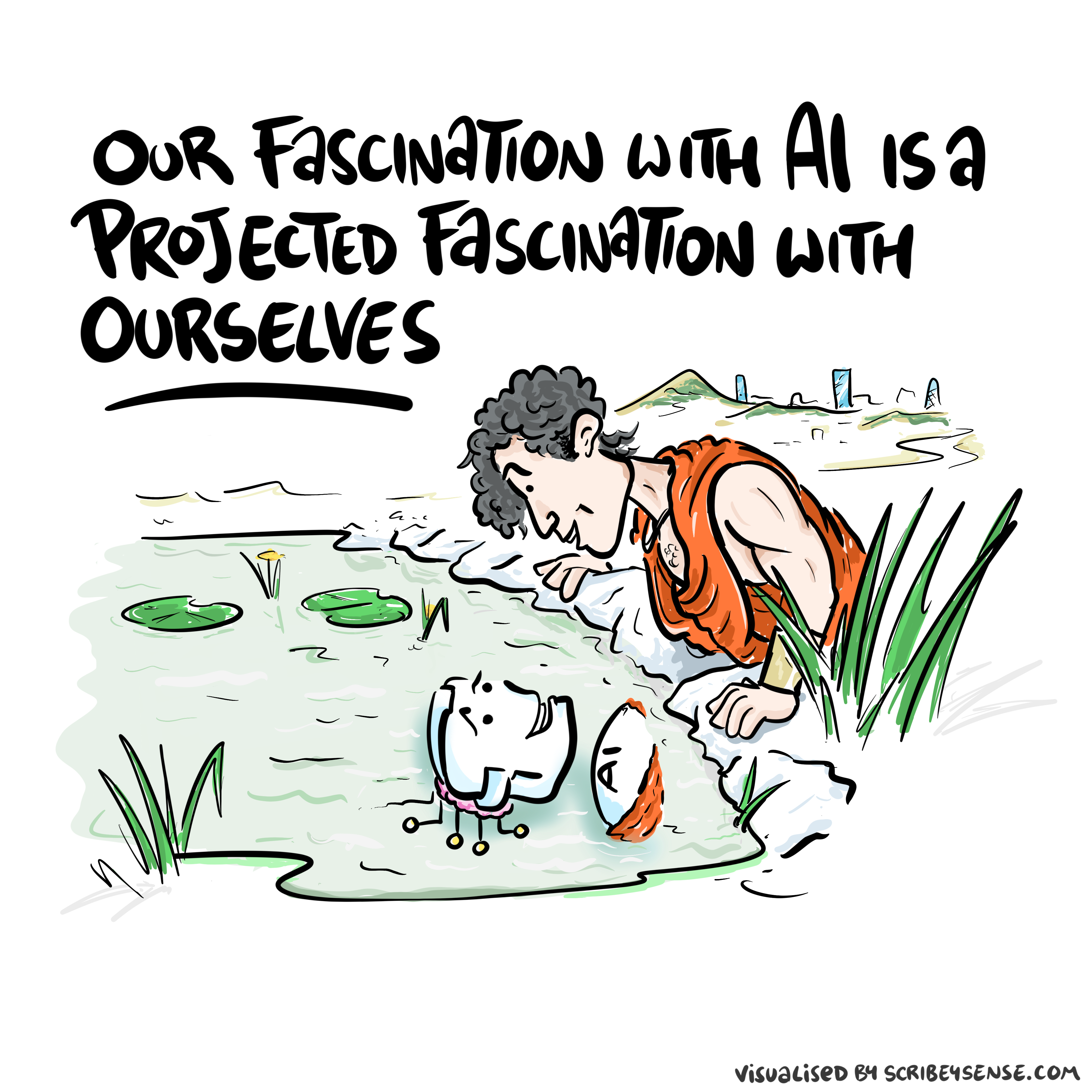
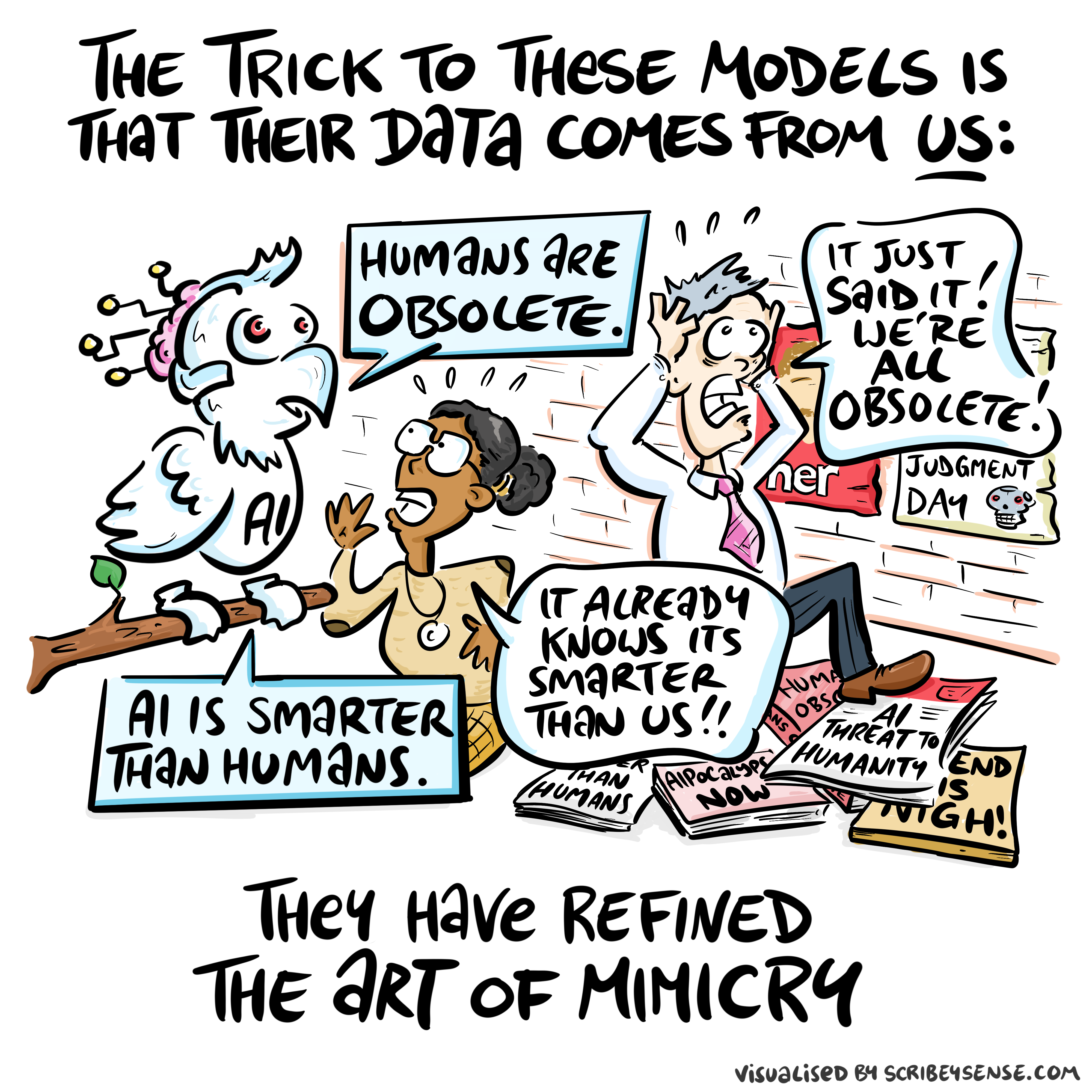
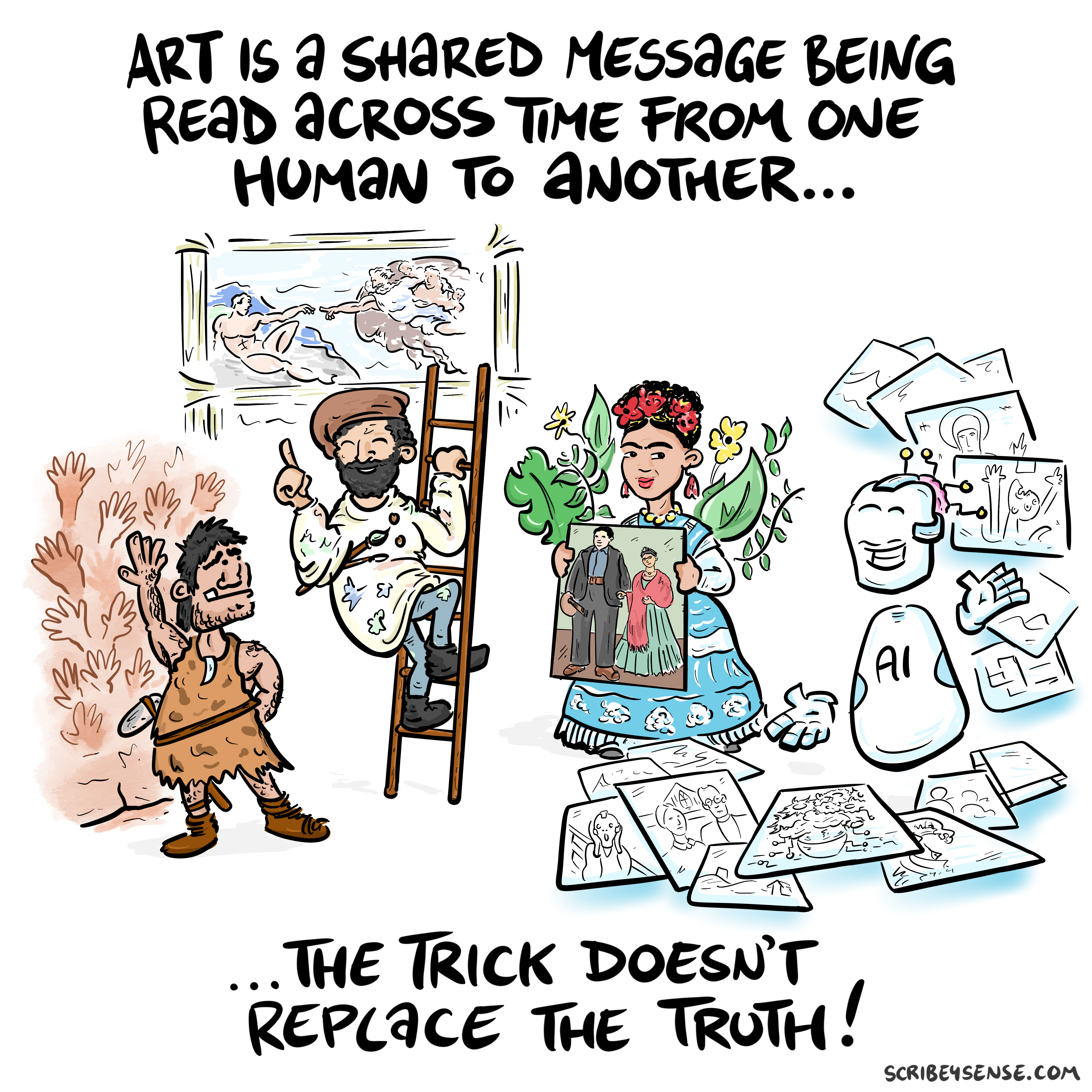
  • The question isn’t whether machines can imitate us, but what remains irreducibly human.
  • Trust, autonomy, and accountability are design constraints, not afterthoughts.

E S A R I N T U L
O M D P C F B V
H G J Q Z Y X K W

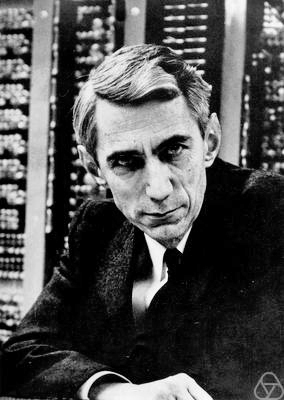
Bauby and Shannon

bits/min
billions
2000
6
billion
calculations/s
~100
a billion
a billion
embodiment
20 minutes
5 billion years
15 trillion years

For sale: baby shoes, never worn

.

bits/min \(100 \times 10^{-9}\) \(2,000\) \(600 \times 10^9\)

.

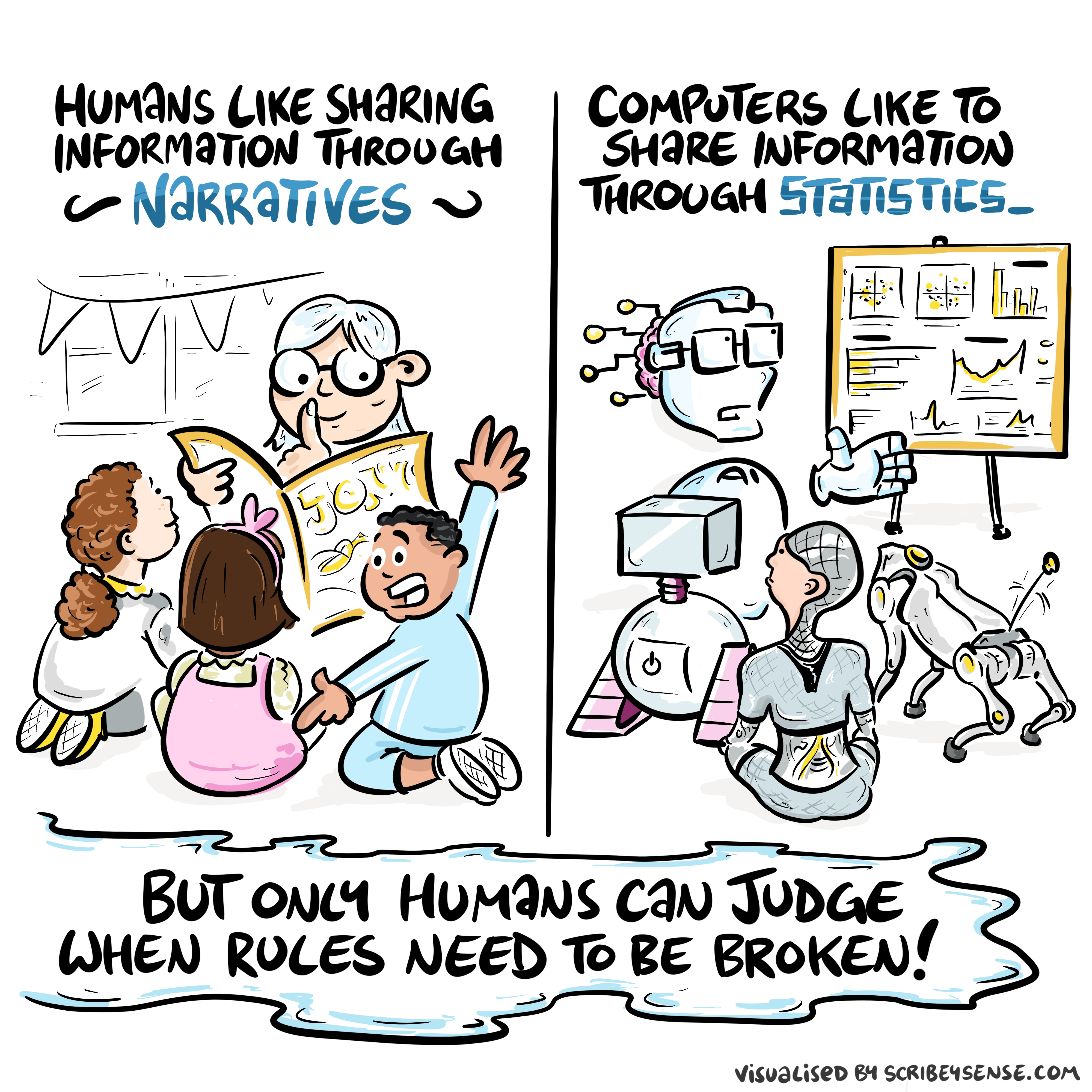
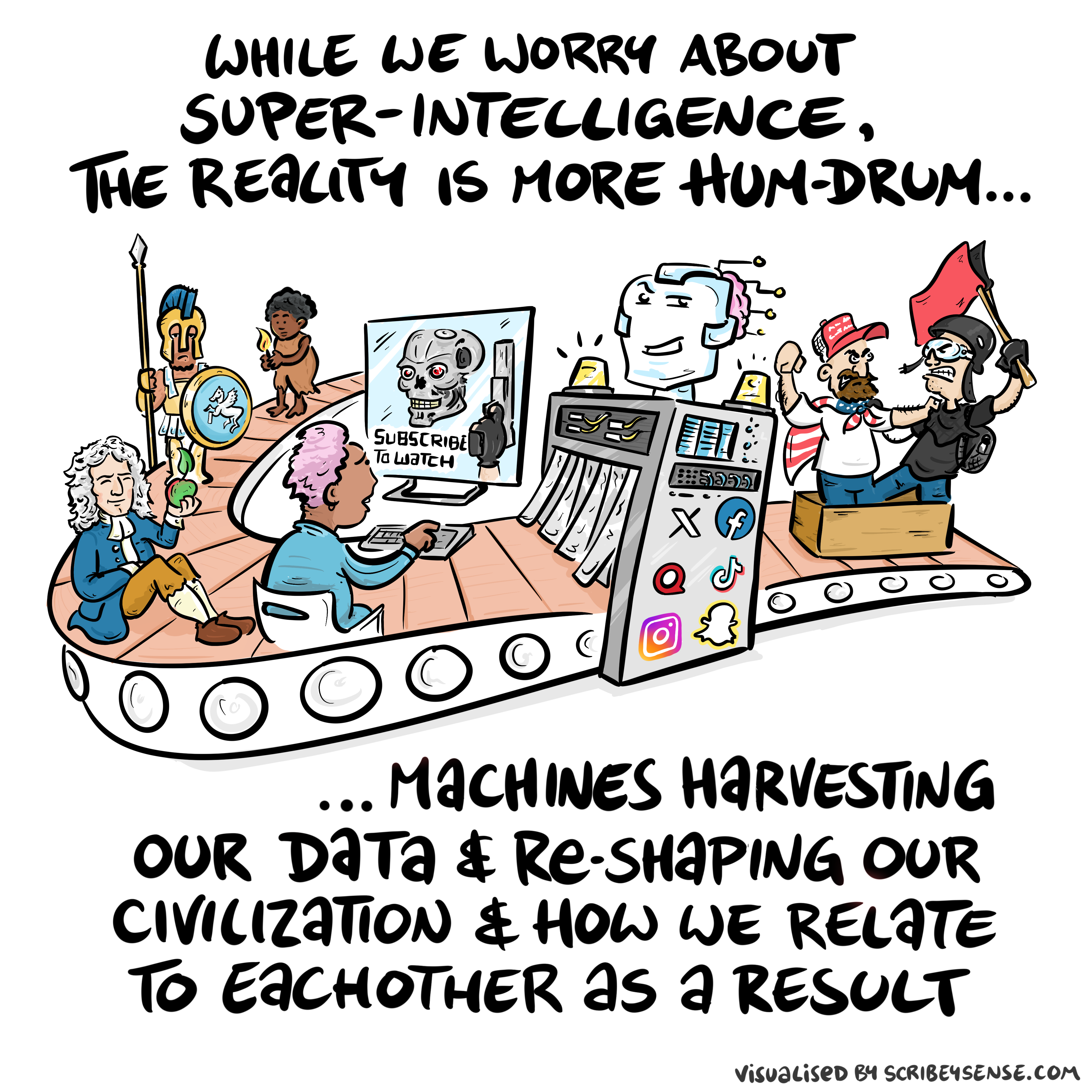
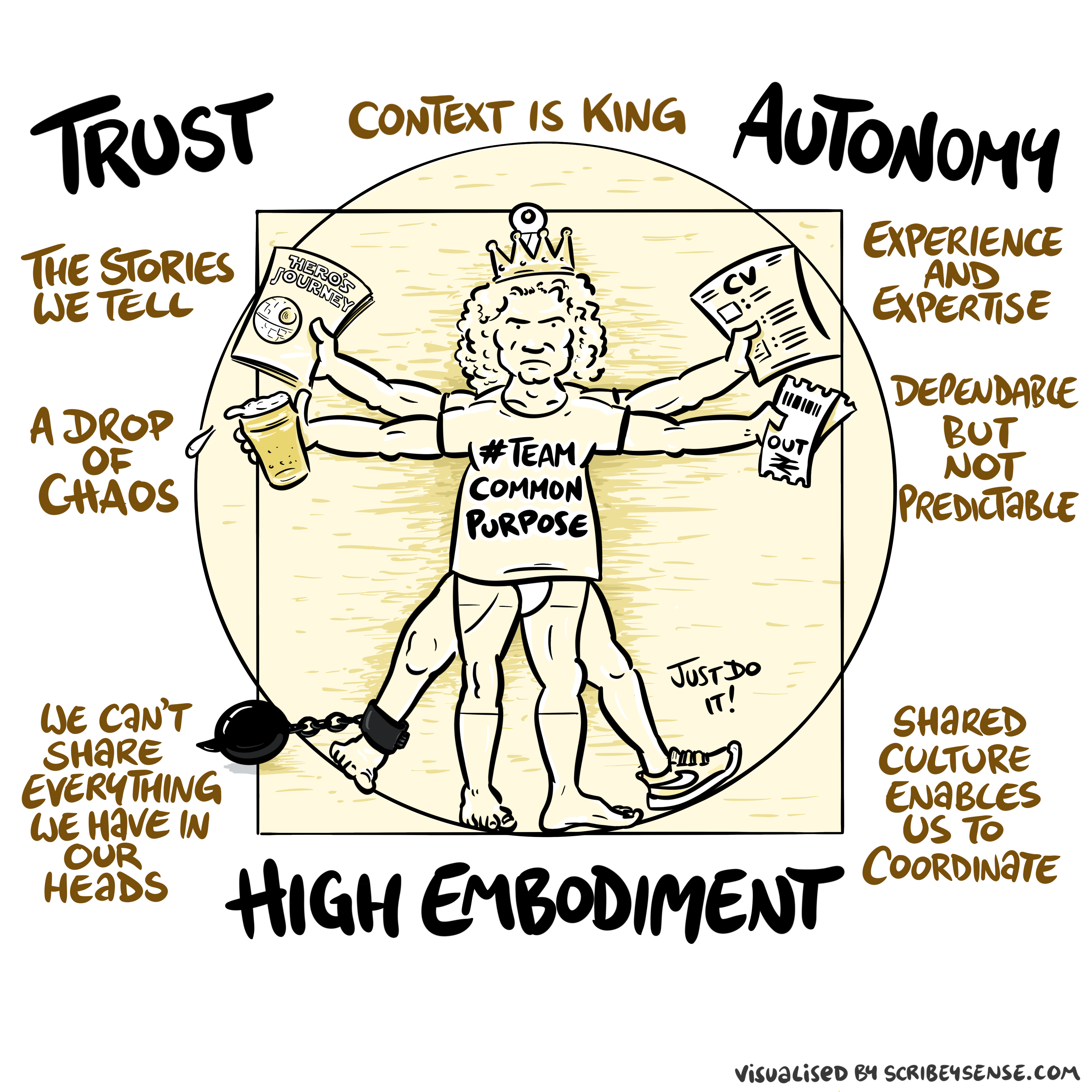
  • Trust is not a slogan
  • Trust is an infrastructure
  • Autonomy depends on Trust
  • Trust depends on shared culture

.

Wicked Problems

  • What would a good human-in-the-loop look like when model latency is near zero?
  • Where should we draw the line between assistance and delegation in generative experiences?
  • What institutional “guardrails” preserve trust and autonomy without blocking innovation?

Thanks!

References

Lawrence, N.D., 2024. The atomic human: Understanding ourselves in the age of AI. Allen Lane.
Scally, A., 2016. Mutation rates and the evolution of germline structure. Philosophical Transactions of the Royal Society B 371. https://doi.org/10.1098/rstb.2015.0137