Preserving Human Voices and Faces
What AI Threatens, and What It Cannot Touch
International Conference “Preserving Human Voices and Faces,” Pontifical Urbaniana University, Rome
Information Overload and the Algal Bloom
- Algae are the organisms best placed to exploit nitrogen
- When nitrogen floods in (agricultural runoff etc.) they bloom rapidly
- The bloom is catastrophic — it consumes oxygen and crowds out all other life
- The very success of the algae destroys the ecosystem
A Wealth of Information Creates a Poverty of Attention
What information consumes is rather obvious: it consumes the attention of its recipients. Hence a wealth of information creates a poverty of attention …
Herbert Simon, 1971
The Attention Economy
- Human intelligence is locked-in
- This makes it a bottleneck
Herbert Simon on Information
What information consumes is rather obvious: it consumes the attention of its recipients. Hence a wealth of information creates a poverty of attention …
Simon (1971)
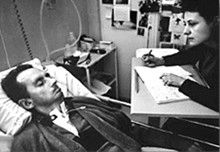
Bauby and Shannon
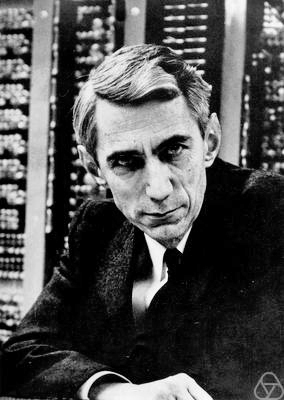
Embodiment Factors
| bits/min | billions | 2,000 |
|
billion calculations/s |
~100 | a billion |
| embodiment | 20 minutes | 5 billion years |
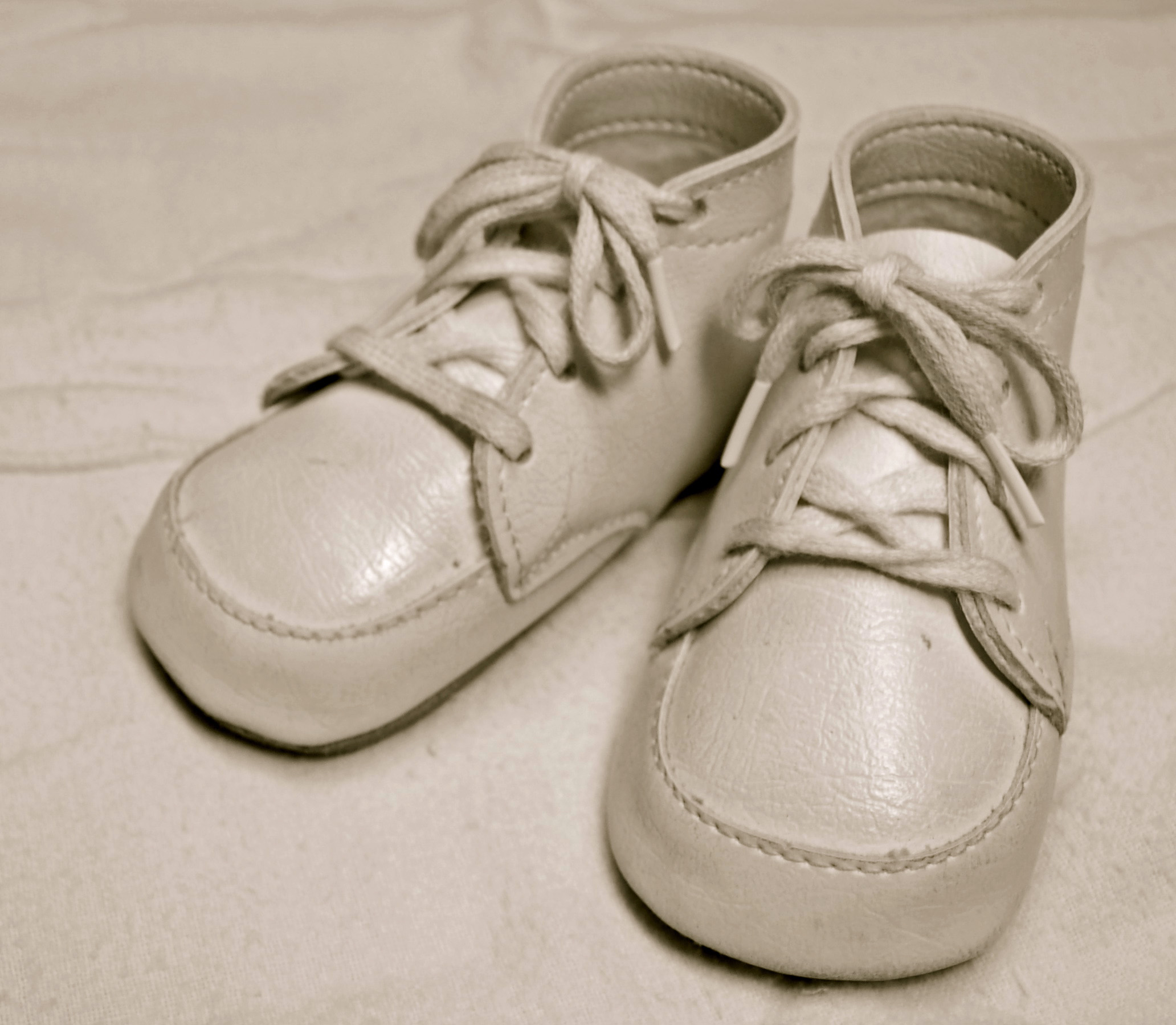
New Flow of Information
New Flow of Information
Evolved Relationship
Evolved Relationship
Human Analogue Machine
Bandwidth vs Complexity
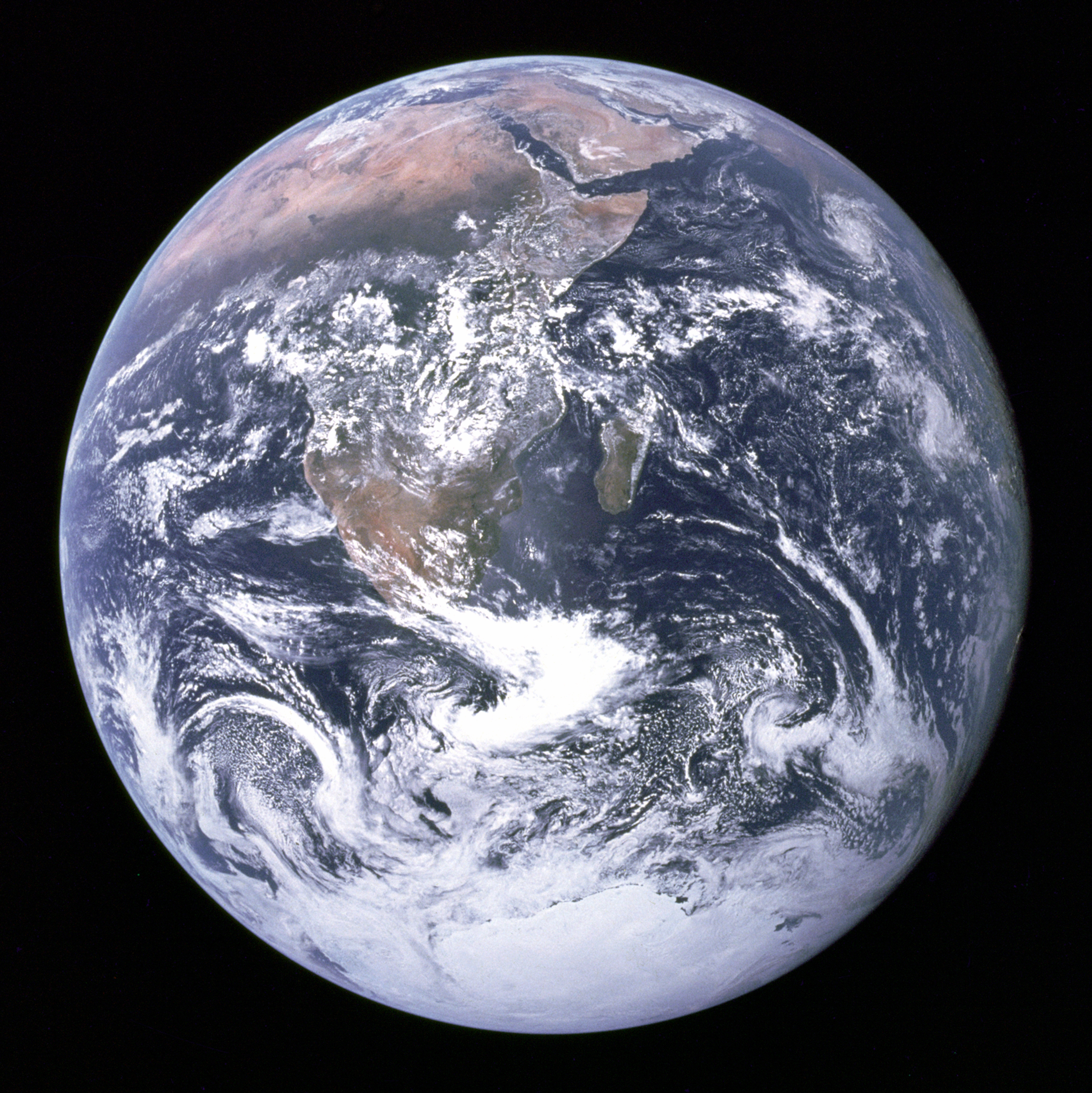
|
|||
| bits/min | \(100 \times 10^{-9}\) | \(2,000\) | \(600 \times 10^9\) |
The Atomic Human
Conclusion
Preserving the Ecology of the Human
- Human culture is an ecology — complex, slow, irreplaceable
- The information bloom threatens its diversity
- Preserving human voices and faces means preserving what machines cannot replicate:
- shared vulnerability
- conscience
- the knowledge that comes from being mortal
- The atomic human is indivisible — there is a kernel the machine cannot take
Thanks!
- company: Trent AI
- book: The Atomic Human
- twitter: @lawrennd
- The Atomic Human pages Simon, Herbert 140 , Bauby, Jean Dominique 9–11, 18, 90, 99-101, 133, 186, 212–218, 234, 240, 251–257, 318, 368–369, Shannon, Claude 10, 30, 61, 74, 98, 126, 134, 140, 143, 149, 260, 264, 269, 277, 315, 358, 363, embodiment factor 13, 29, 35, 79, 87, 105, 197, 216-217, 249, 269, 353, 369, baby shoes 368, topography, information 34-9, 43-8, 57, 62, 104, 115-16, 127, 140, 192, 196, 199, 291, 334, 354-5, anthropomorphization (‘anthrox’) 30-31, 90-91, 93-4, 100, 132, 148, 153, 163, 216-17, 239, 276, 326, 342, ignorance: HAMs 347, test pilot 163-8, 189, 190, 192-3, 196, 197, 200, 211, 245, Human evolution rates 98-99, Psychological representation of Ecologies 323-327, atomic human, the 13.
- newspaper: Guardian Profile Page
- blog: http://inverseprobability.com
References
Lawrence, N.D., 2017. Living together: Mind and machine intelligence. arXiv.
Scally, A., 2016. Mutation rates and the evolution of germline structure. Philosophical Transactions of the Royal Society B 371. https://doi.org/10.1098/rstb.2015.0137
Simon, H.A., 1971. Designing organizations for an information-rich world. Johns Hopkins University Press, Baltimore, MD.