Educating the Atomic Human
Why, What, How, Do, Document
Neil D. Lawrence
Cambridge AI and Education Summit 2026, Hilton Cambridge City Centre
Reacting to AI Challenges
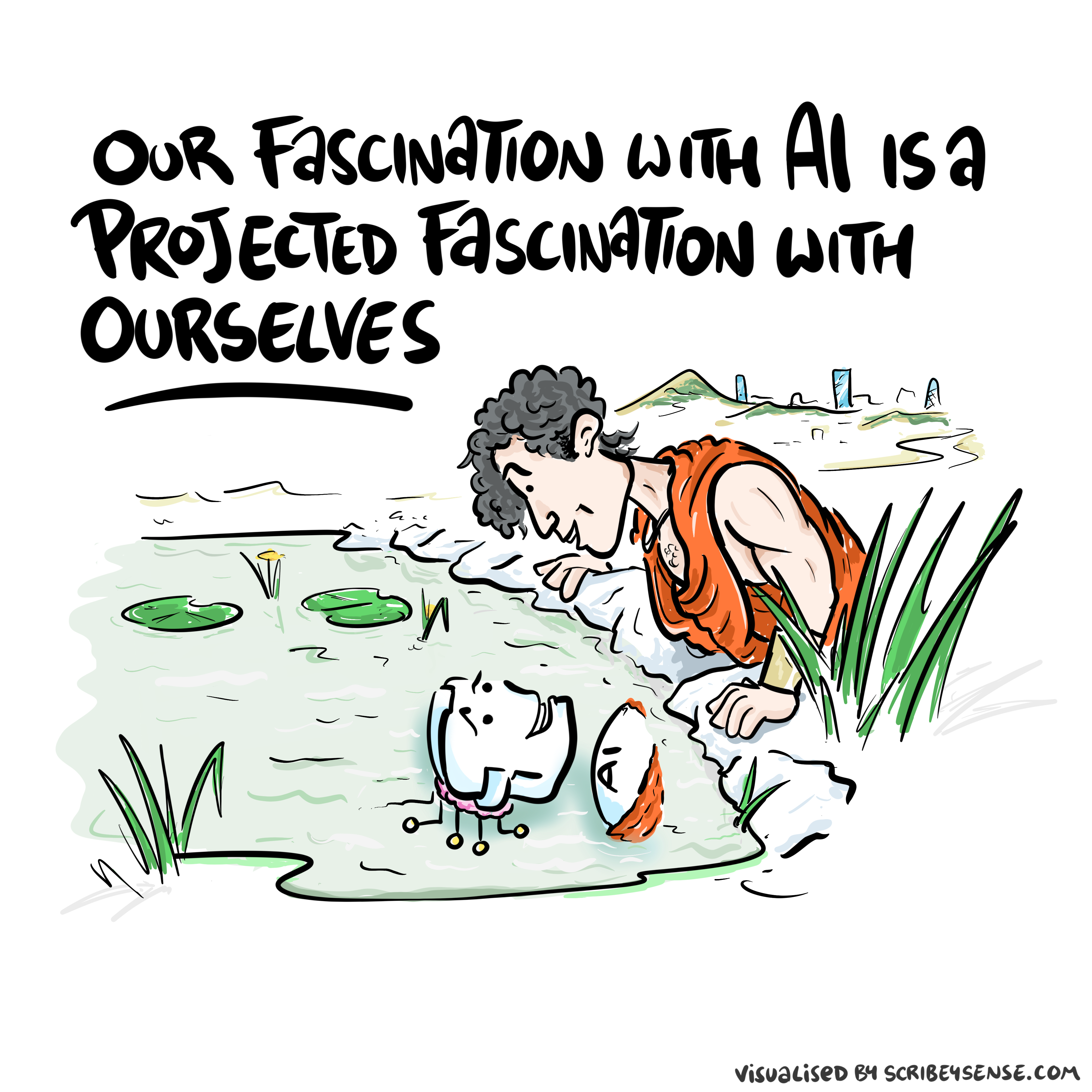
- The danger is not only what machines can do.
- It is how people react when they feel powerless.
- Education should turn AI anxiety into agency.
Why
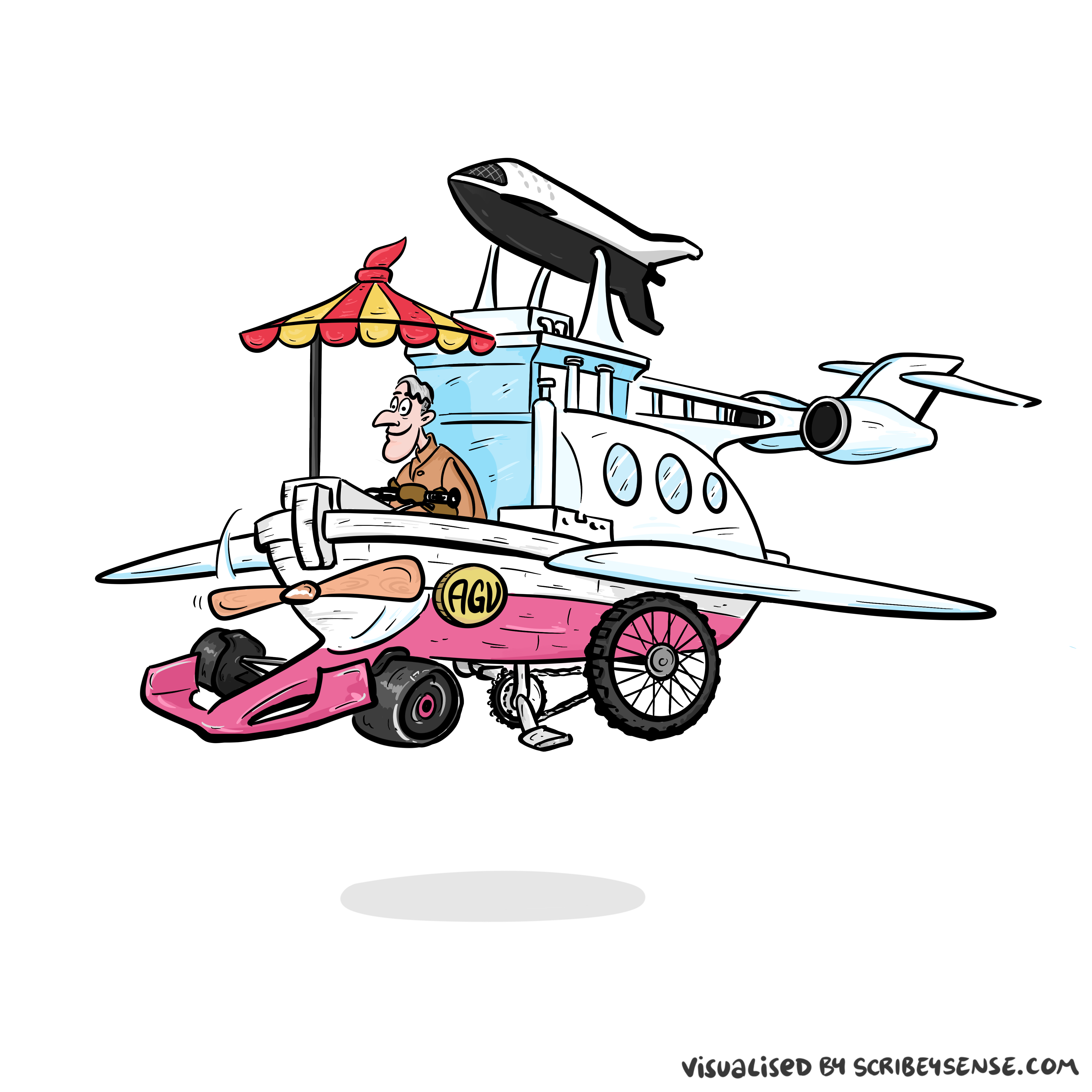
Artificial General Vehicle
Atomic Human: Communication Bandwidth
- Human communication: walking pace (2000 bits/minute)
- Machine communication: light speed (billions of bits/second)
- Our sharing walks, machine sharing …
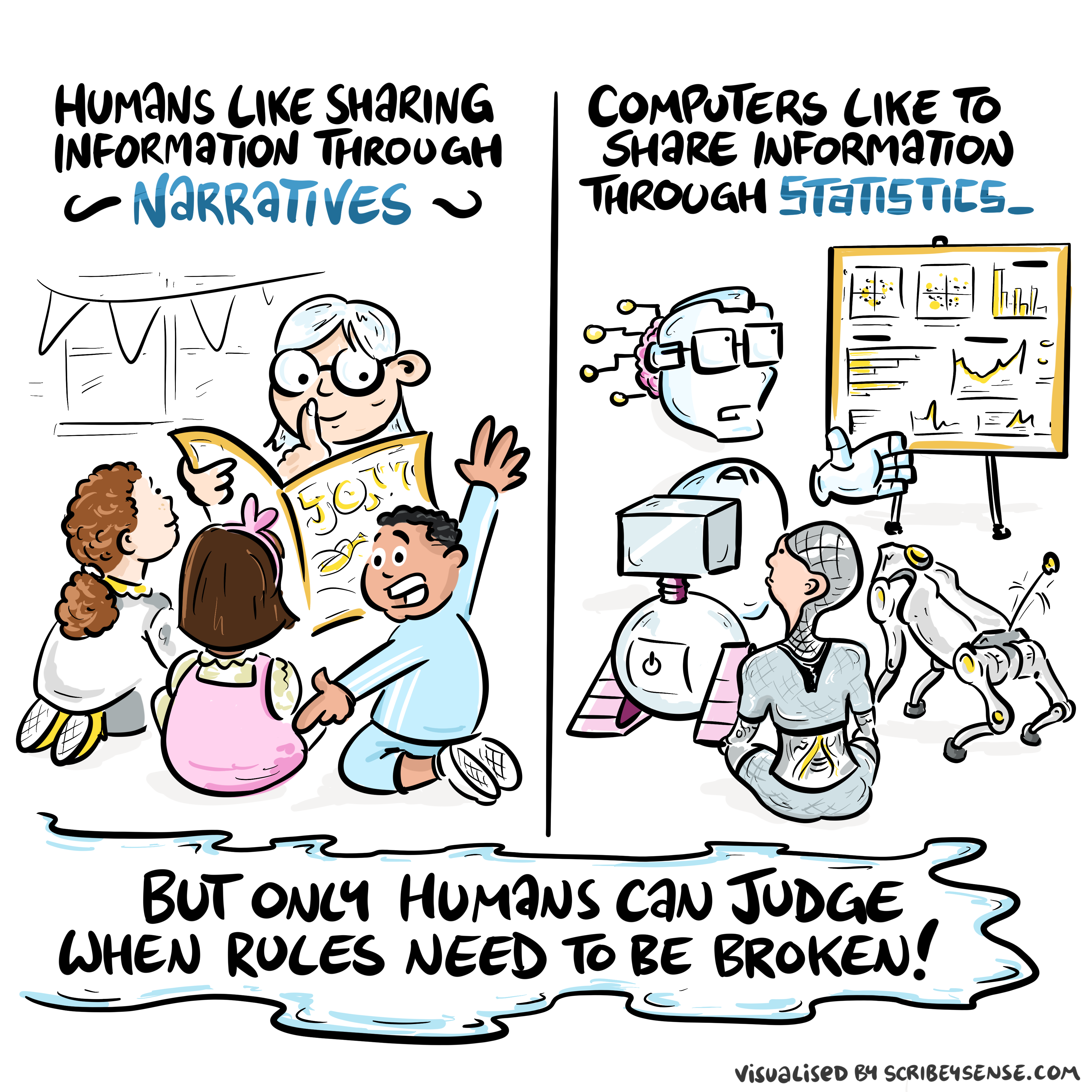
Why: Intelligence is Context Specific
- There is no single general intelligence.
- Human intelligence is embodied, social and situated.
- Education accommodates different contexts
What
Revolution
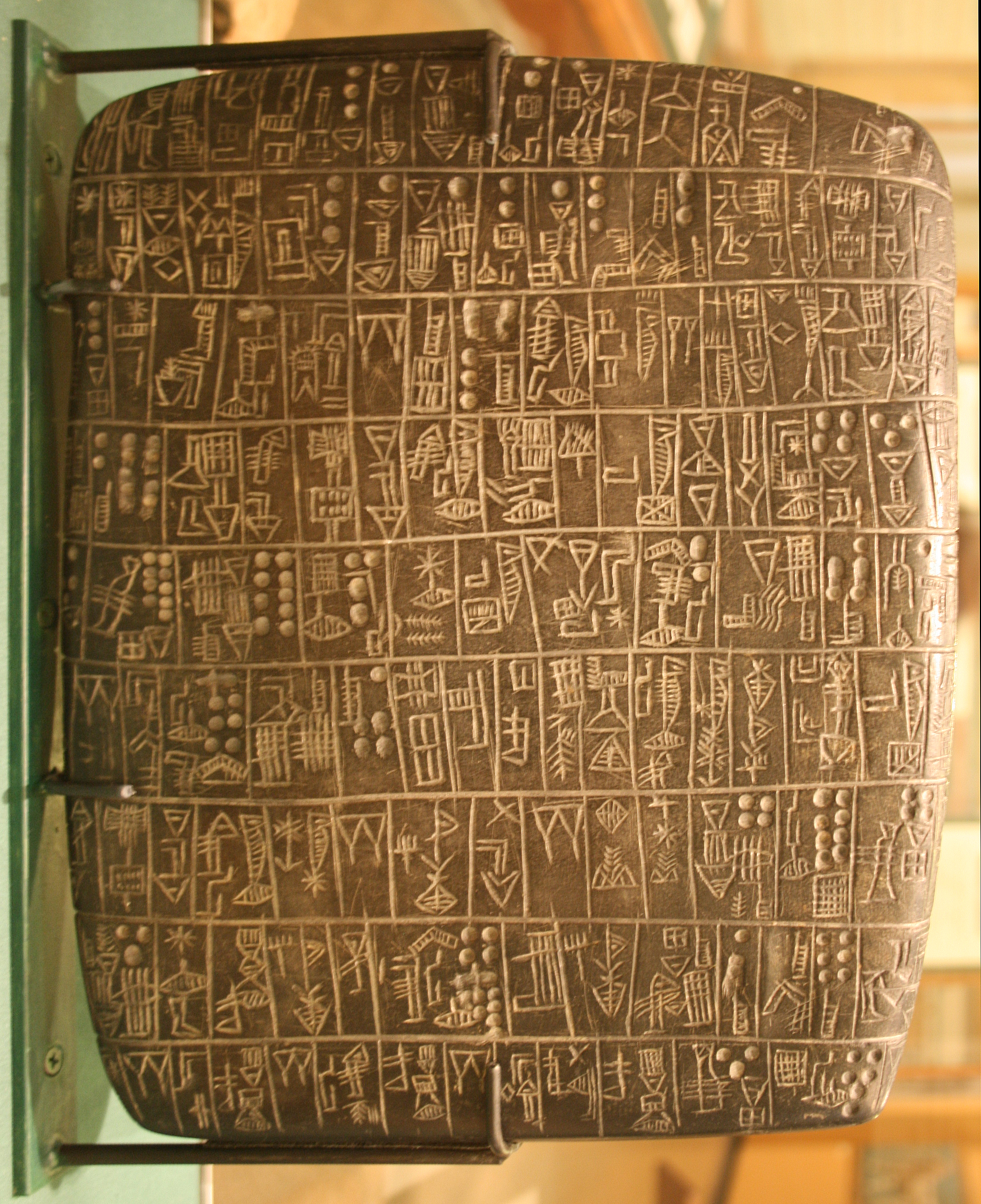
An Old Warning
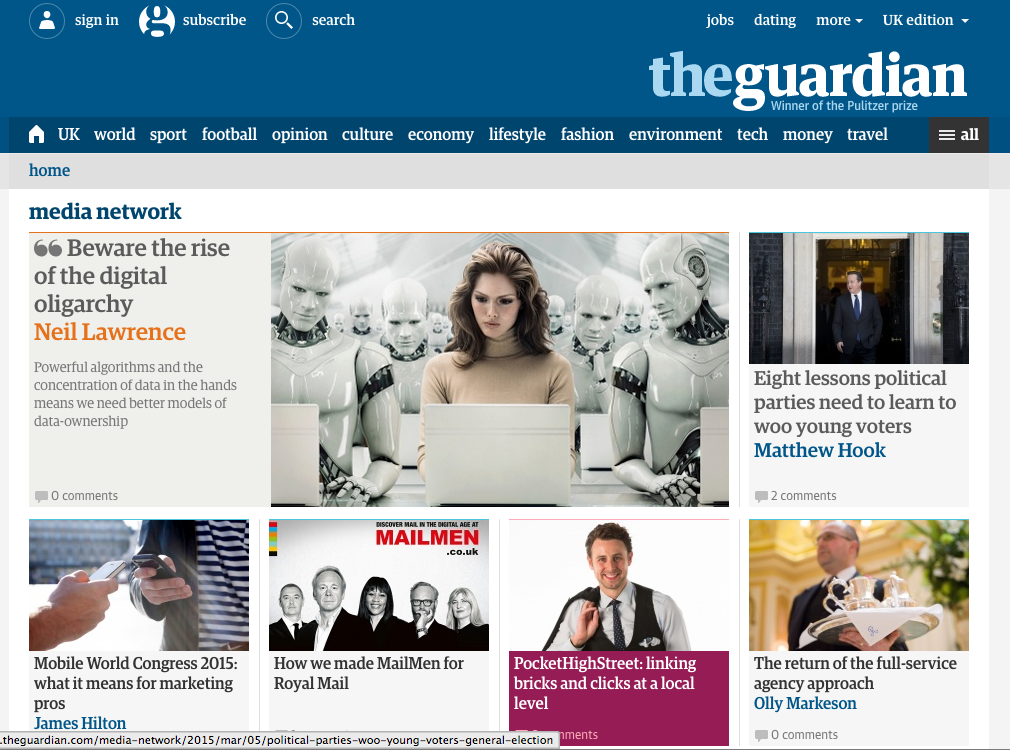
The Risk of Digital Autocracy
- Ancient scribes controlled information through restricted literacy
- Modern digital oligarchy controls information through data asymmetries
- Information control creates power imbalances in society
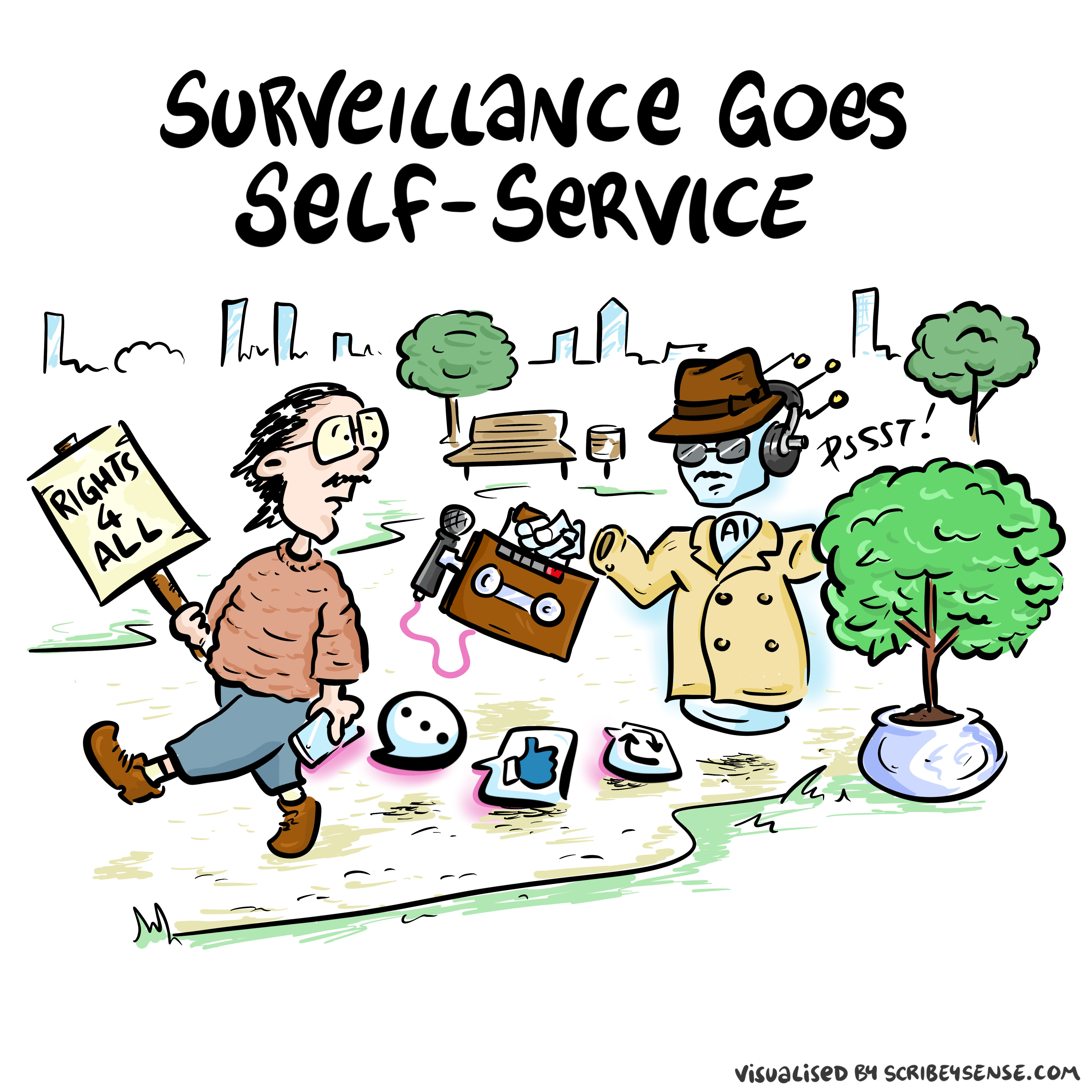
Modern Information Asymmetries
- Algorithmic attention rents: excess returns from data control
- Human attention becomes the bottleneck in the system
- Power without corresponding social responsibility
.
Like the Sorcerer’s Apprentice
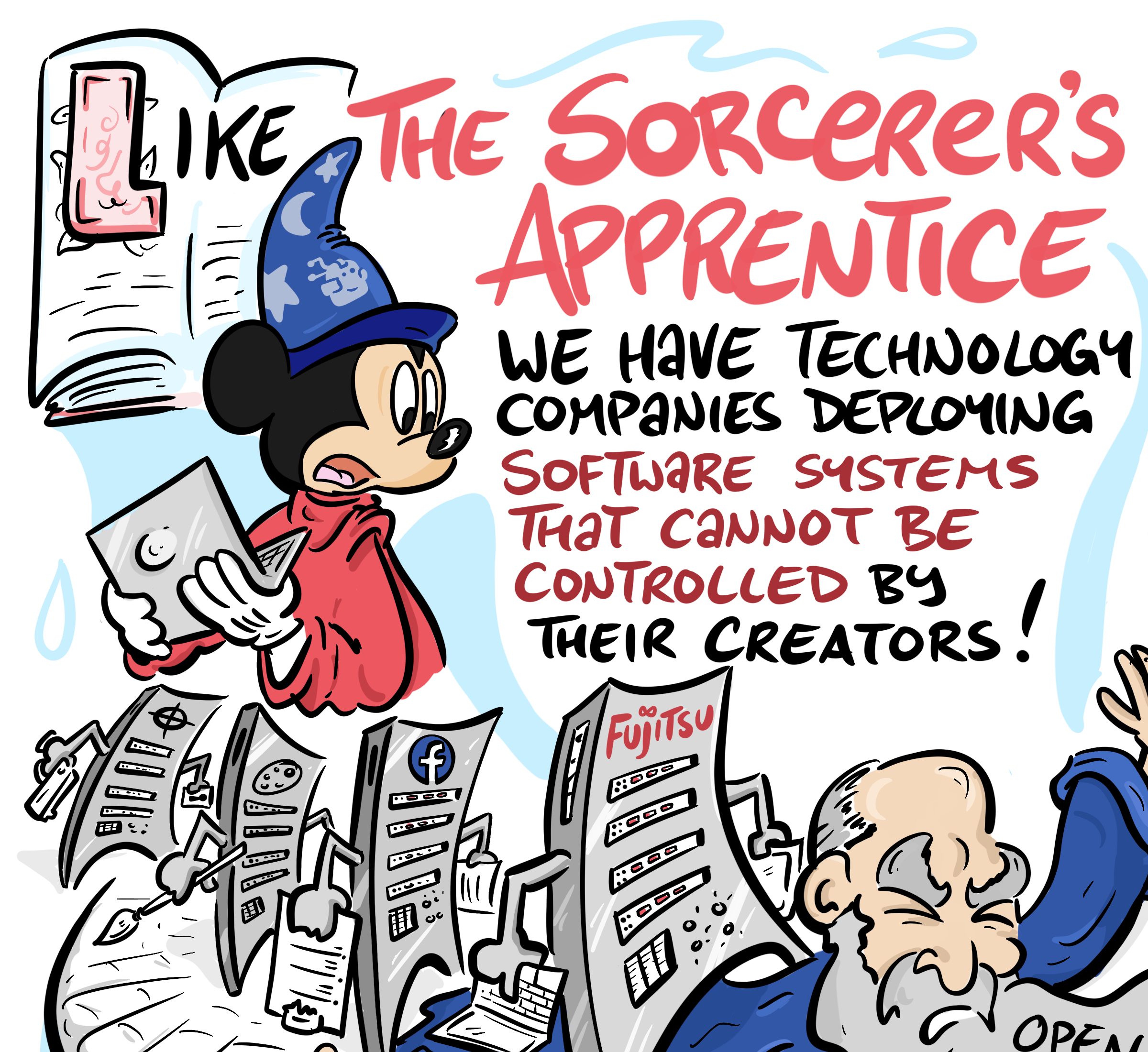
River Gods
.
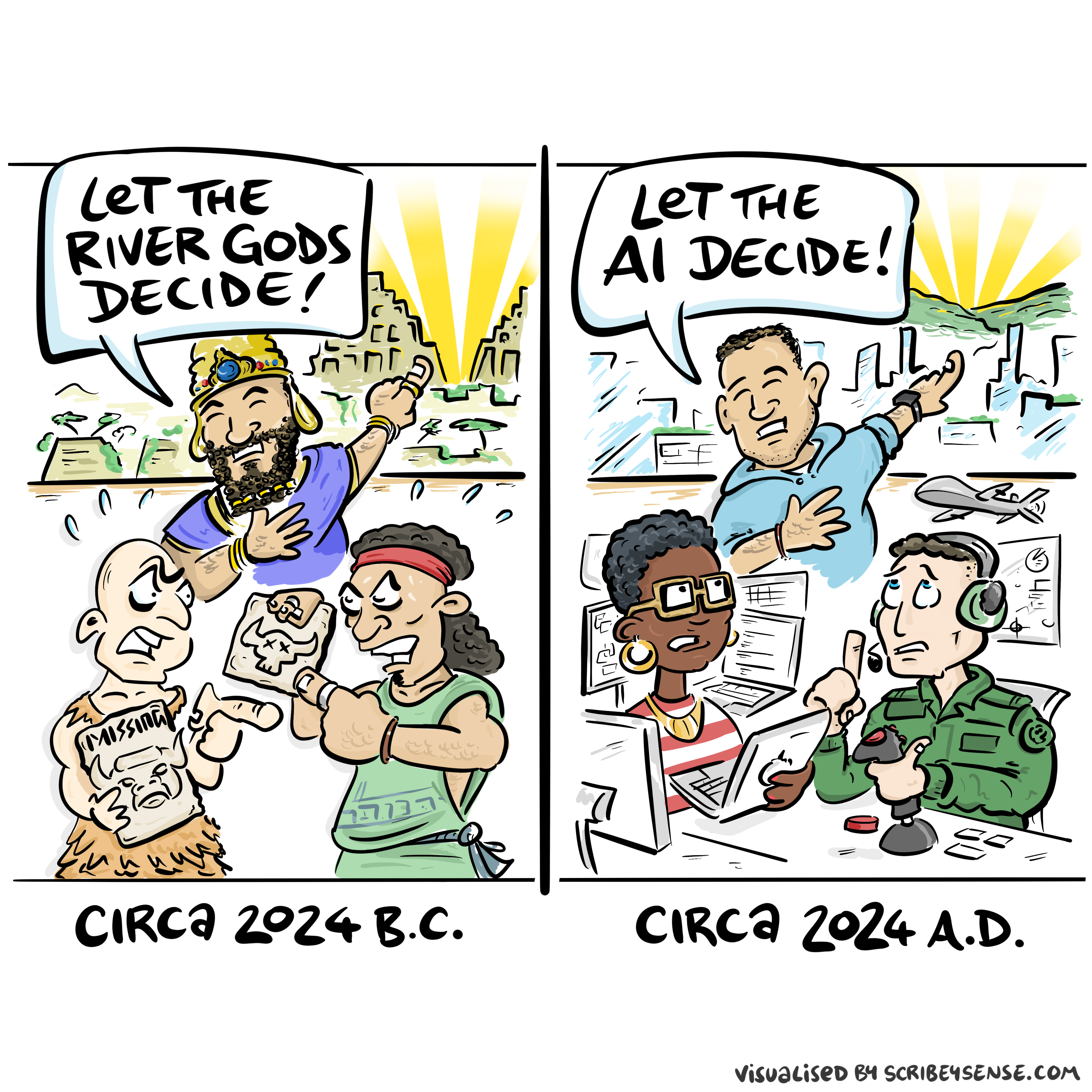
Let the AI decide!
- When people feel powerless, they defer to greater authorities.
- “Let the AI decide” is the modern river god.
- Losing enfranchisement looks like handing hard cases away.
AI in Education: Public Perspectives
- Support for reducing teacher workload.
- Concerns about screen time and support for human interaction.
AI in Education: Public Perspectives
“Education isn’t just about learning, it’s about preparing children for life, and you don’t do all of that in front of a screen.”
Public Participant, Cambridge ai@cam and Hopkins Van Mil (2024) pg 18
AI in Education: Public Perspectives
“Kids with ADHD or autism might prefer to interact with an iPad than they would a person, it could lighten the load for them.”
Public Participant, Liverpool ai@cam and Hopkins Van Mil (2024) pg 17
What: Enfranchise human accountability
- Keep people able to understand, challenge and own decisions.
- Systems should answer to users and institutions, not absorb responsibility.
- Enfranchisement is the opposite of digital oligarchy.
How
Mind the Gap
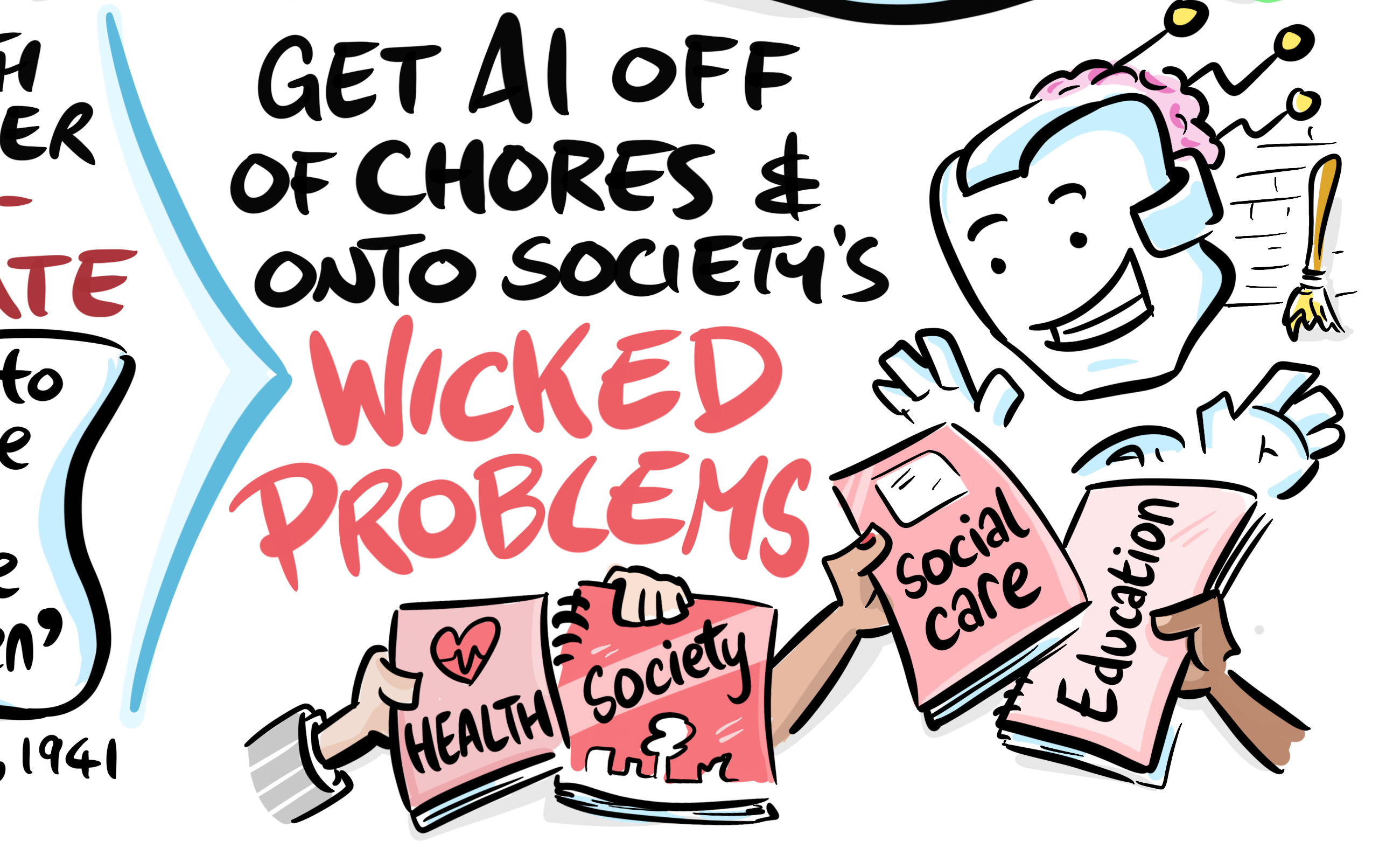
- Public priorities: health, education, security, social care
- Innovation supply follows attention markets, not those needs
- The missing half of UK AI policy is the demand side
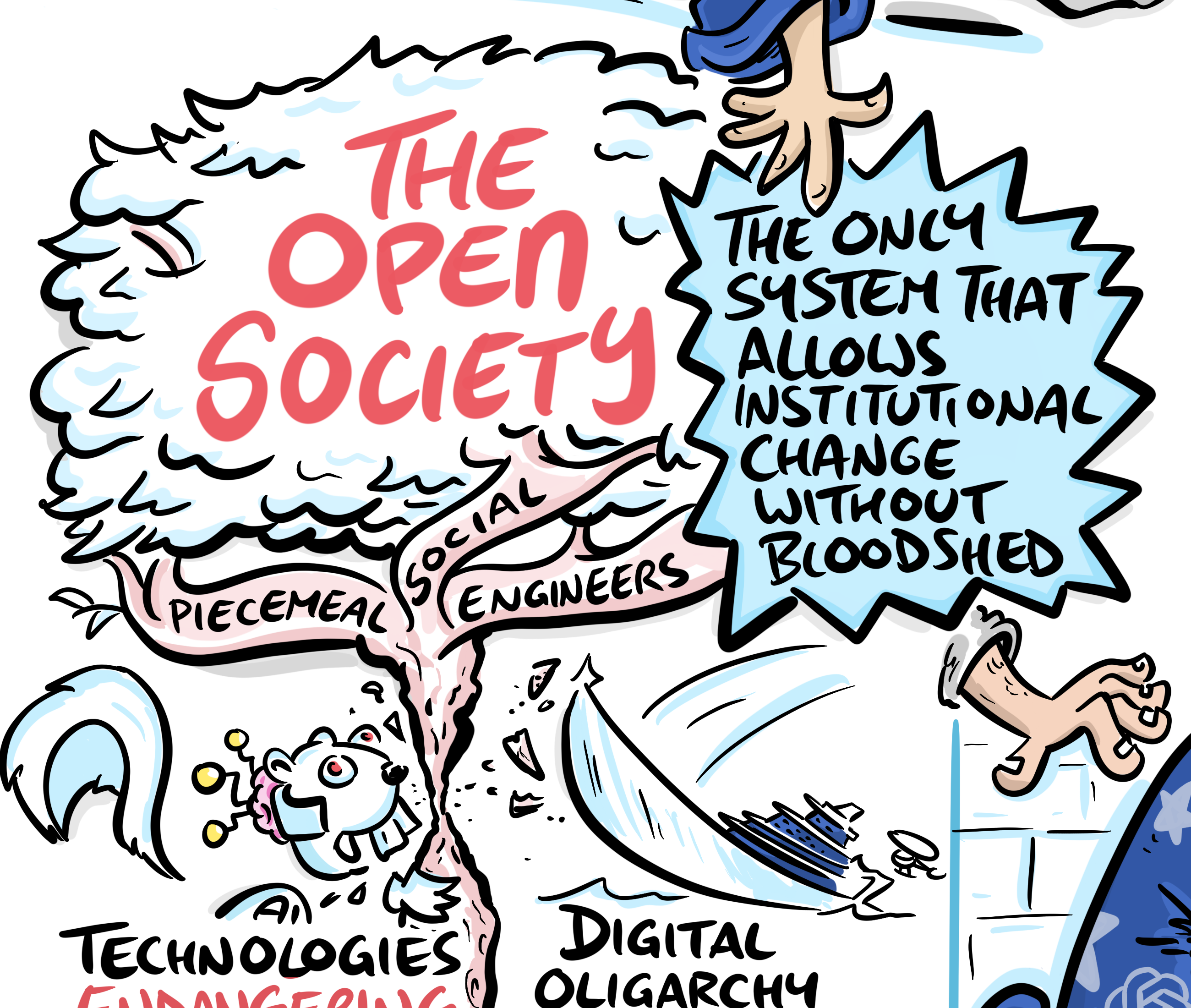
Piecemeal Social Engineers
- Incremental changes vs revolutionary transformation
- Learning from mistakes
- Focus on specific problems
- Democratic institutionalism
The Open Society
Society’s Wicked Problems
The Attention Reinvestment Cycle
- Traditional innovation flywheel: R&D \(\rightarrow\) Innovation \(\rightarrow\) Productivity \(\rightarrow\) Economic Surplus \(\rightarrow\) R&D
- Problem: Misalignment with societal needs in healthcare, education, social care
A New Model for Innovation
- Attention Reinvestment Cycle liberates human attention
- Freed attention reinvested in knowledge networks
- Creates value through improved human services
How: Reinvest attention & open institutions
- Use AI to free human attention.
- Reinvest that attention through knowledge networks.
- Trust piecemeal social engineers, not grand narratives.
Do
Example: Data Science Africa
Data Science Africa is a bottom up initiative for capacity building in data science, machine learning and AI on the African continent
Local Government AI Accelerator
- ai@cam programme with local authorities
- Councils as partners from the outset
- Proof-of-concept AI for real operational needs
- Built on public dialogue about AI in local government
Example: OSCAR
- OSCAR: Orchestrated Service & Citizen AI Router
- Peterborough City Council — led by Julian Patmore (Digital & Customer Access)
- Governance stays central; specialist tools stay local; staff keep the judgment
Do: Build capability where the need Is
- Start with local problems and local partners.
- Build capacity, do not only buy products.
- Share methods so others can adapt them.
Document
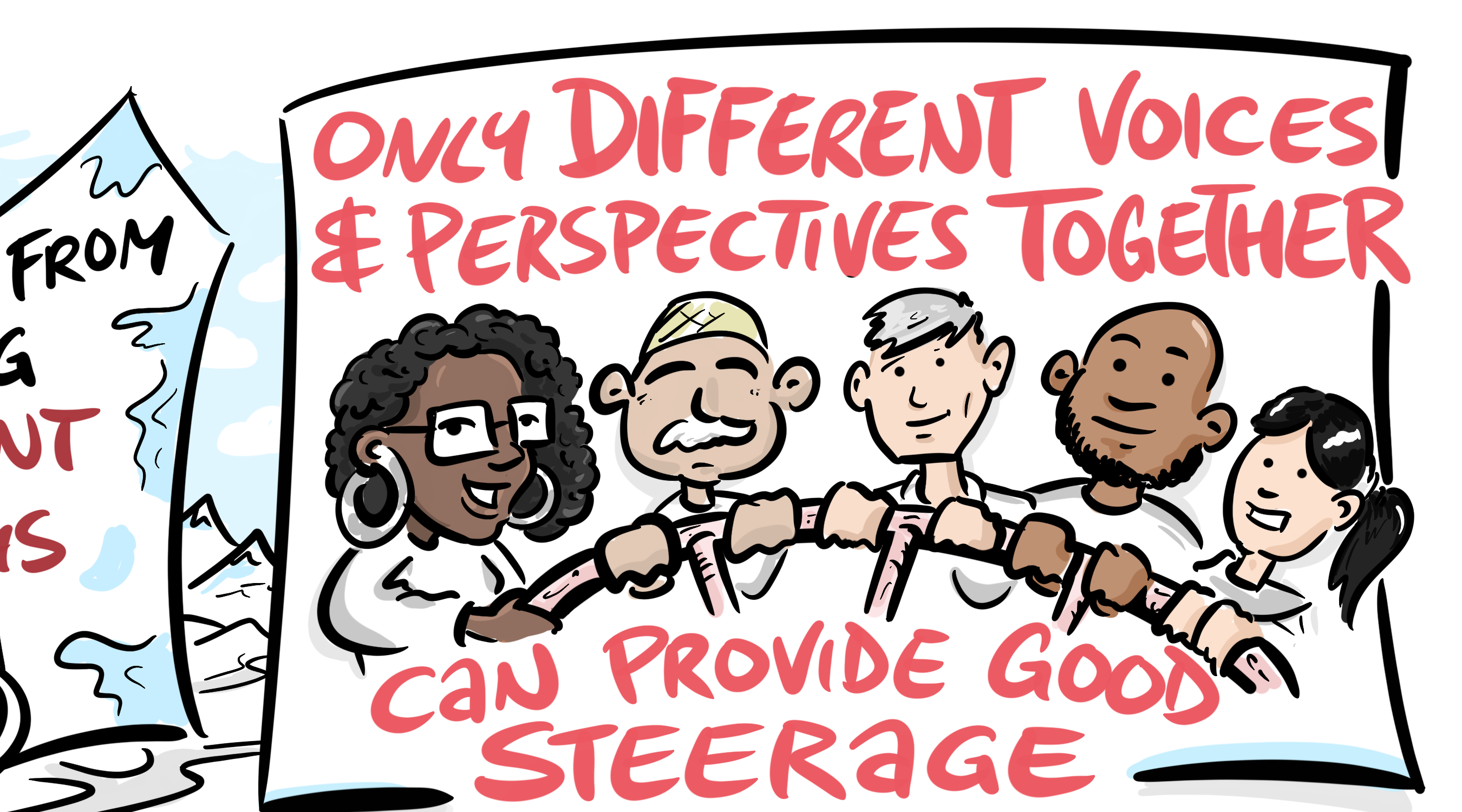
Good Steerage
Celebrate the Builders
- Celebrate teachers and learners who improve practice.
- Celebrate institutions that share evidence openly.
- Celebrate tools that increase agency rather than dependency.
Document: Share What Works
- Write down what you tried.
- Record what changed in practice.
- Share failures as well as successes.
AI in Education

- AiEd Certified: a shared framework for schools and colleges
- Document practice, share evidence, build institutional confidence
- Pathway: Explorer, Practitioner, Innovator
Document: AiEd Certified
Completing this submission has provided greater clarity and confidence in setting a strategic direction for AI.
- Book a discovery call: ai-in-education.co.uk/book-a-meeting
Conclusion
A Practical Response
- Why: human intelligence is context specific.
- What: enfranchise human accountability; river gods are the failure mode.
- How: reinvest attention through open institutions and piecemeal engineers.
- Do: build with local partners, as DSA, local government and OSCAR show.
- Document: share what worked; AiEd Certified is one route.
Thanks!
company: Trent AI
book: The Atomic Human
twitter: @lawrennd
The Atomic Human pages Terminator image embodies 7, 9, 12, 13, 21, 30, 31, 216, 220, 257, 333, 353 , Terminator (movie character) 7, 9, 12, 13, 21, 30, 31, 216, 220, 257, 333, 353, anthropomorphization (‘anthrox’) 30-31, 90-91, 93-4, 100, 132, 148, 153, 163, 216-17, 239, 276, 326, 342, cuneiform 337, 360, 390.
Guardian article on Beware the rise of the digital oligarchy
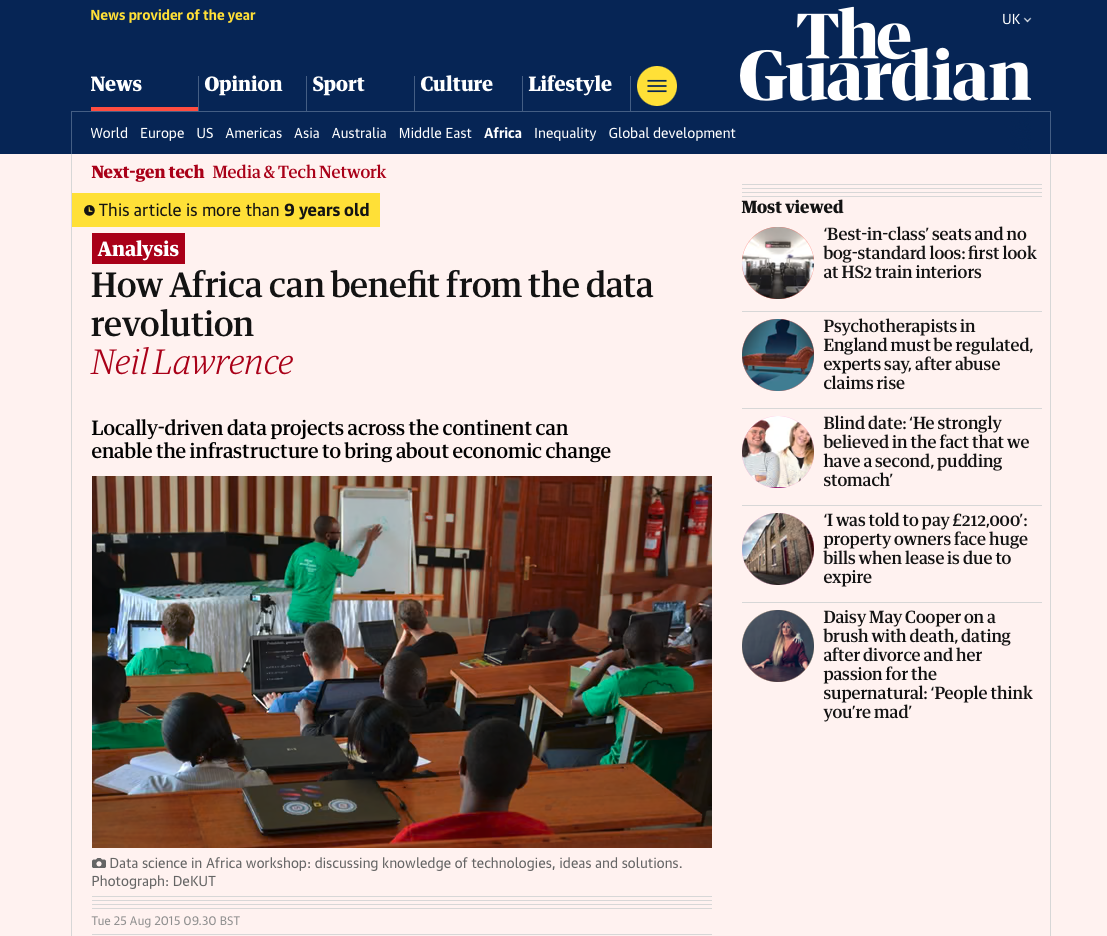
Guardian article on How African can benefit from the data revolution
Guardian article on Data Science Africa
blog posts:
Dan Andrews image of narratives vs statistics